Public trust and health outcomes are on the line
The survey results reveal that the public is increasingly attuned to how inequities affect lived experience. Several findings underscore what’s at stake for healthcare leaders:
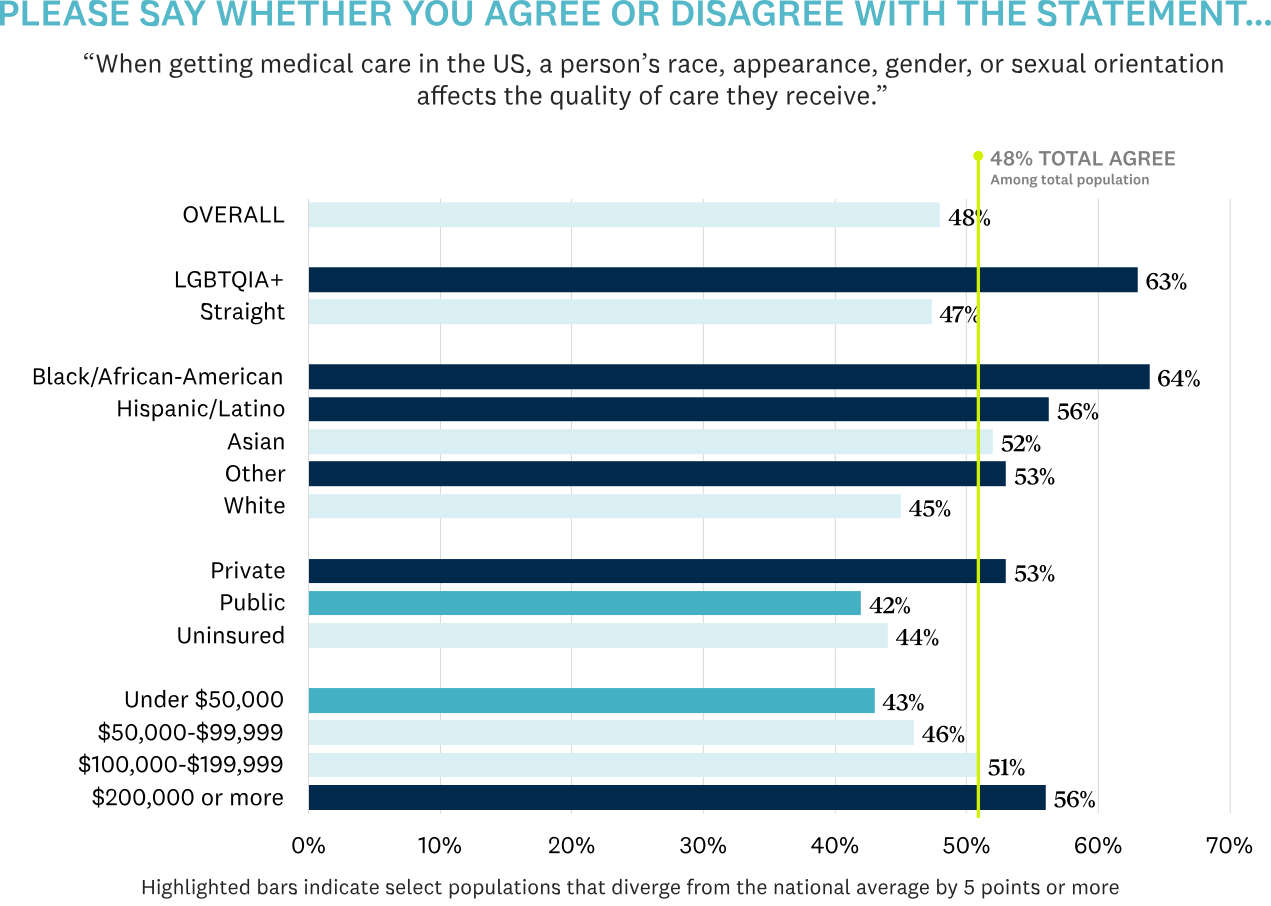
Nearly half of patients say a person’s appearance affects their quality of care—that percentage is higher among marginalized communities
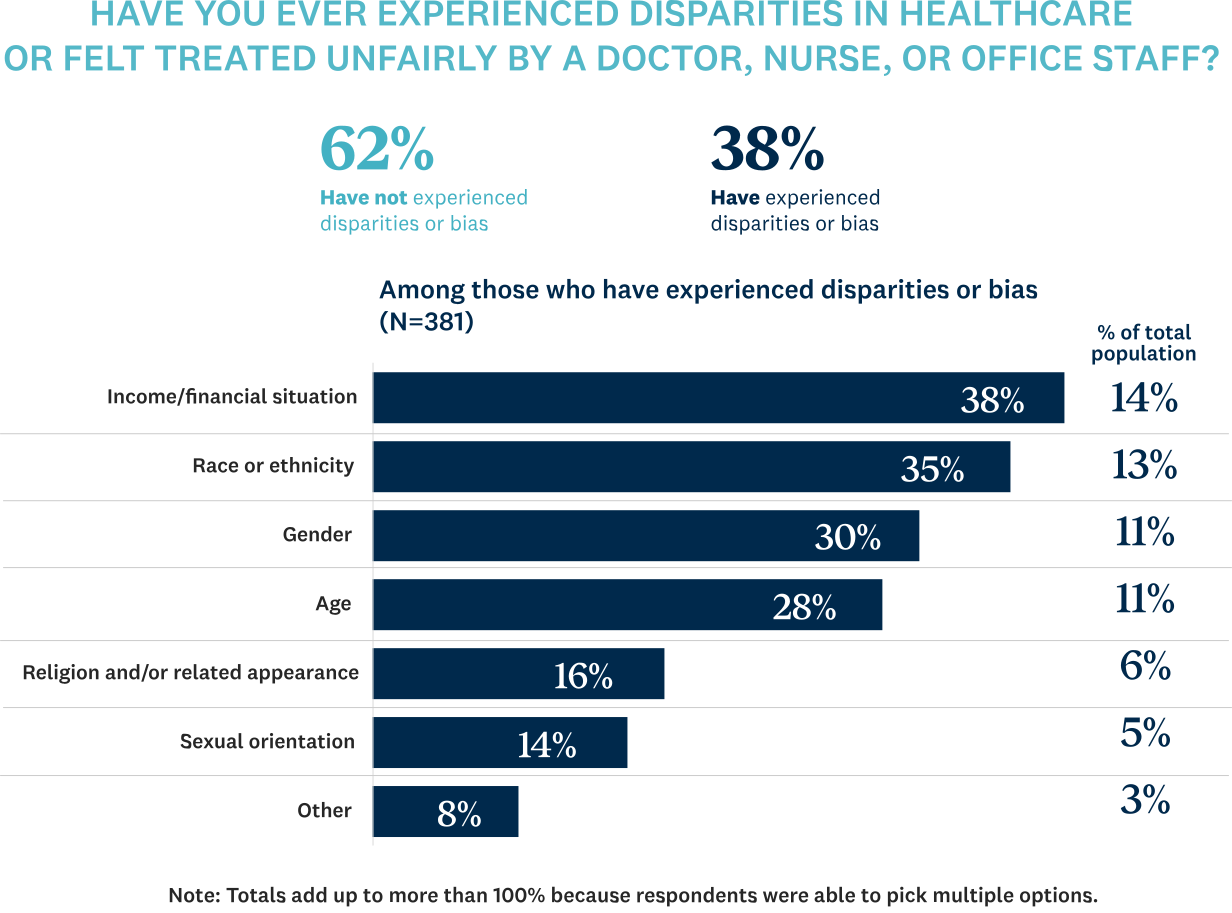
About 4 in 10 report experiencing bias or disparities
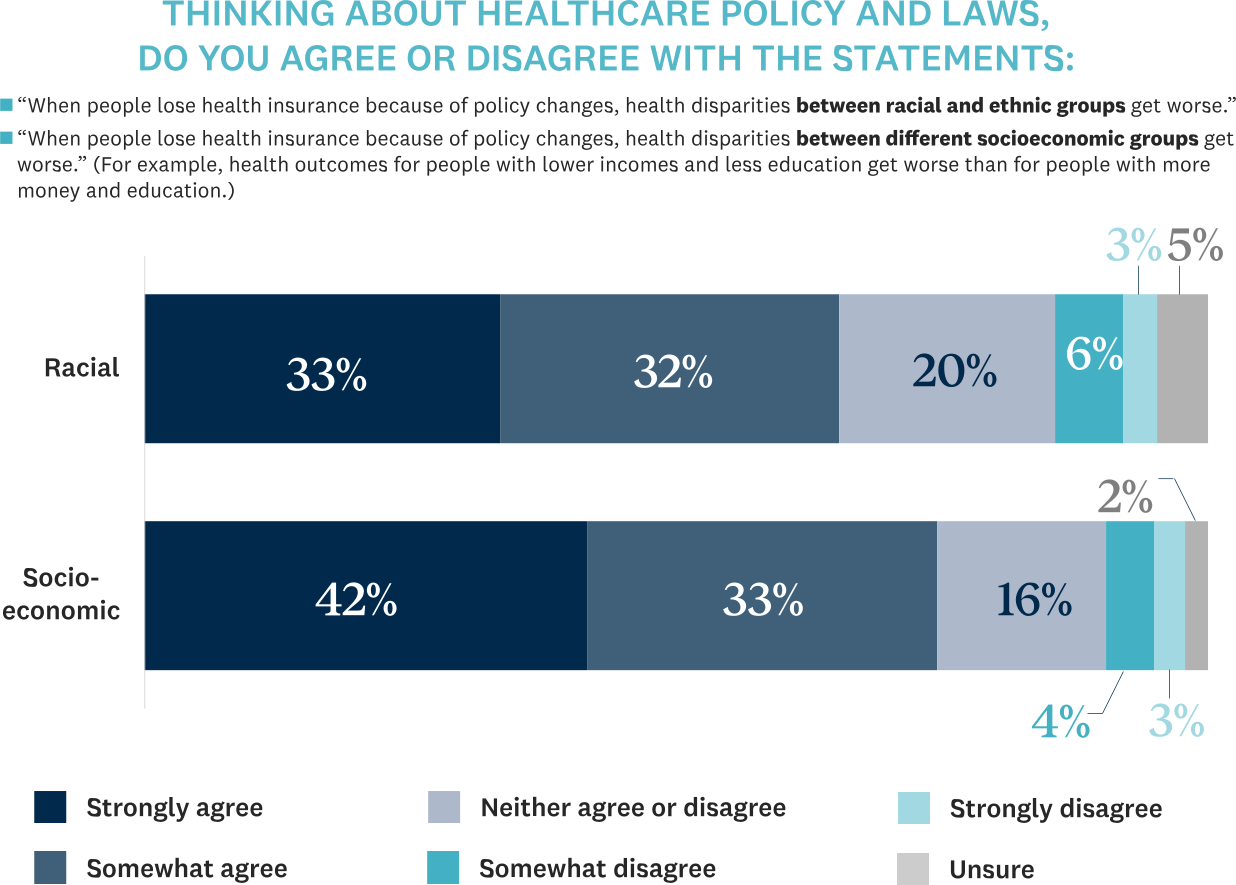
Most patients recognize the link between insurance status and health disparities
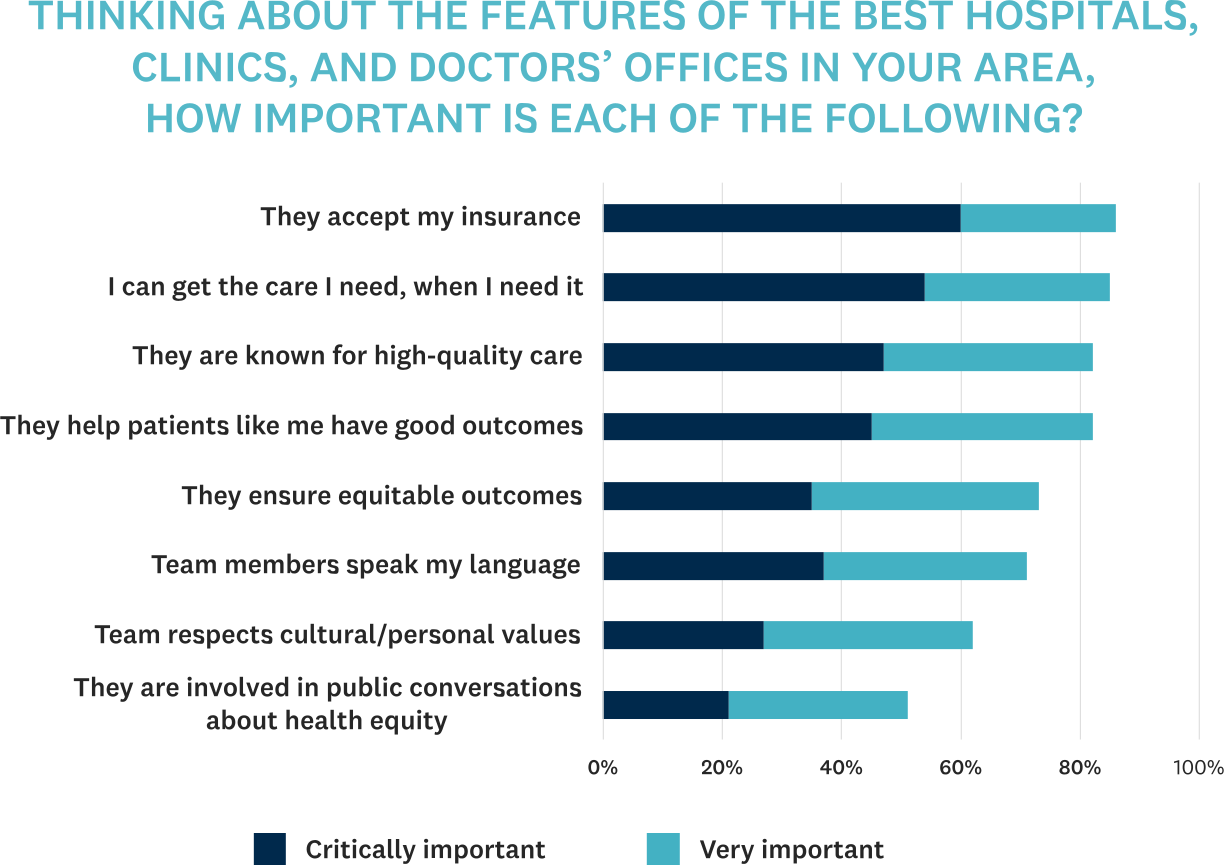
Patients view cost, access, quality, and culture all as playing a role in health equity
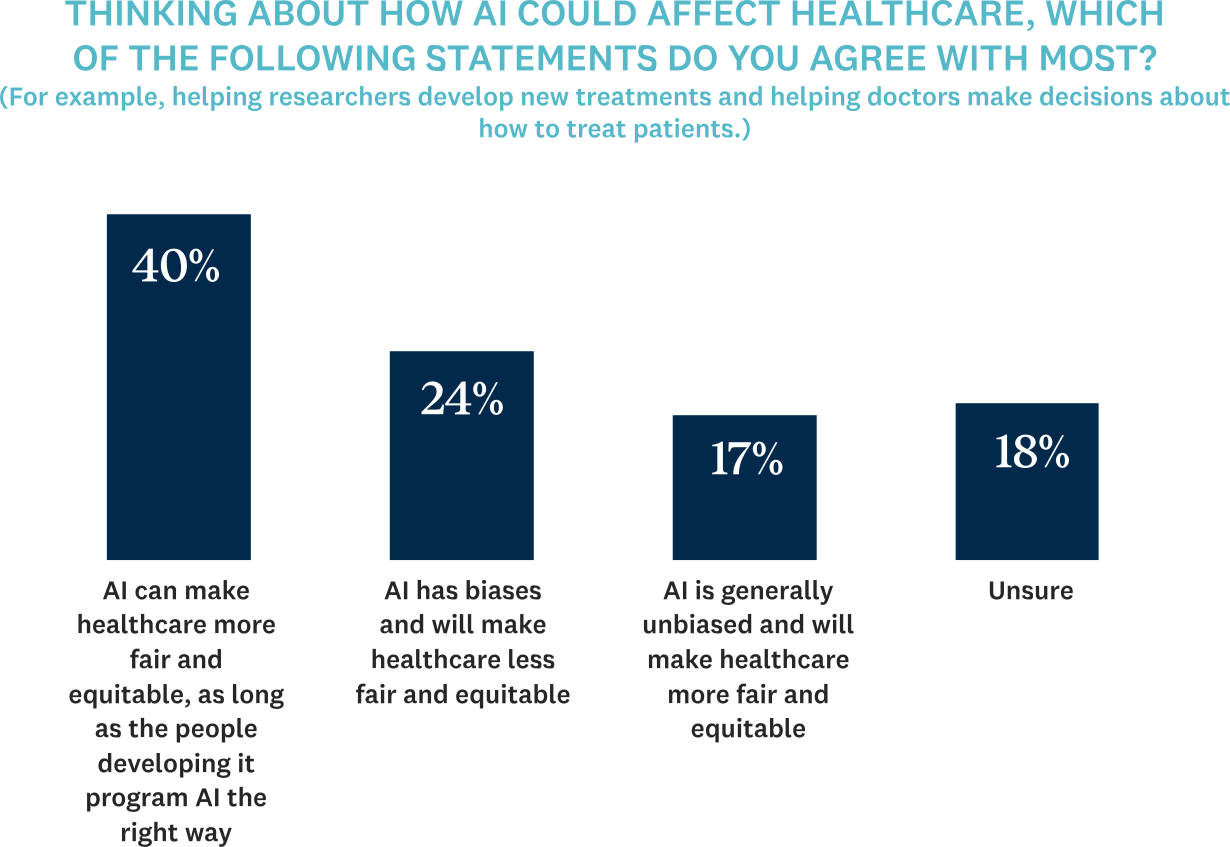
Many patients recognize AI requires thoughtful development to positively impact equity
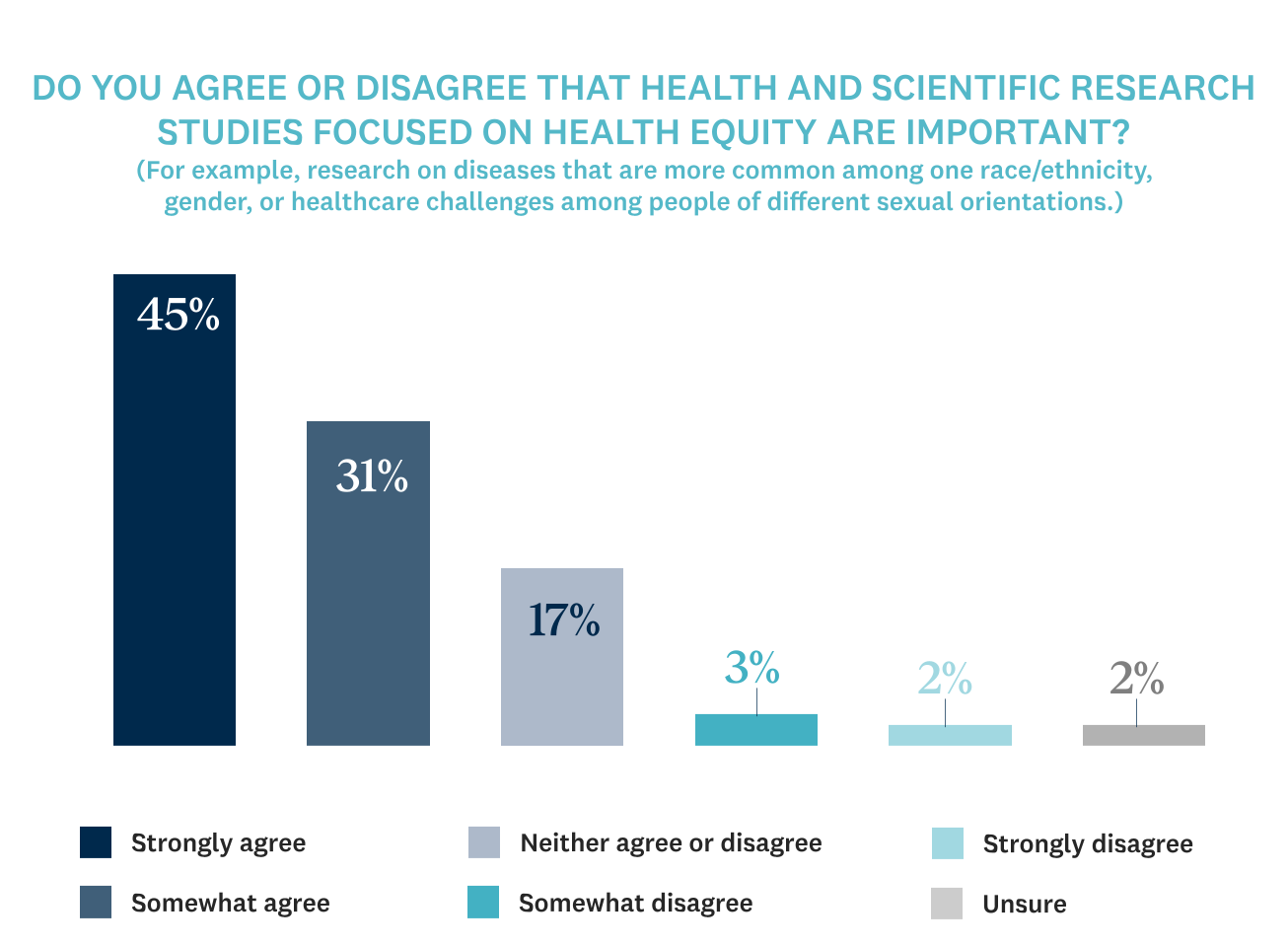
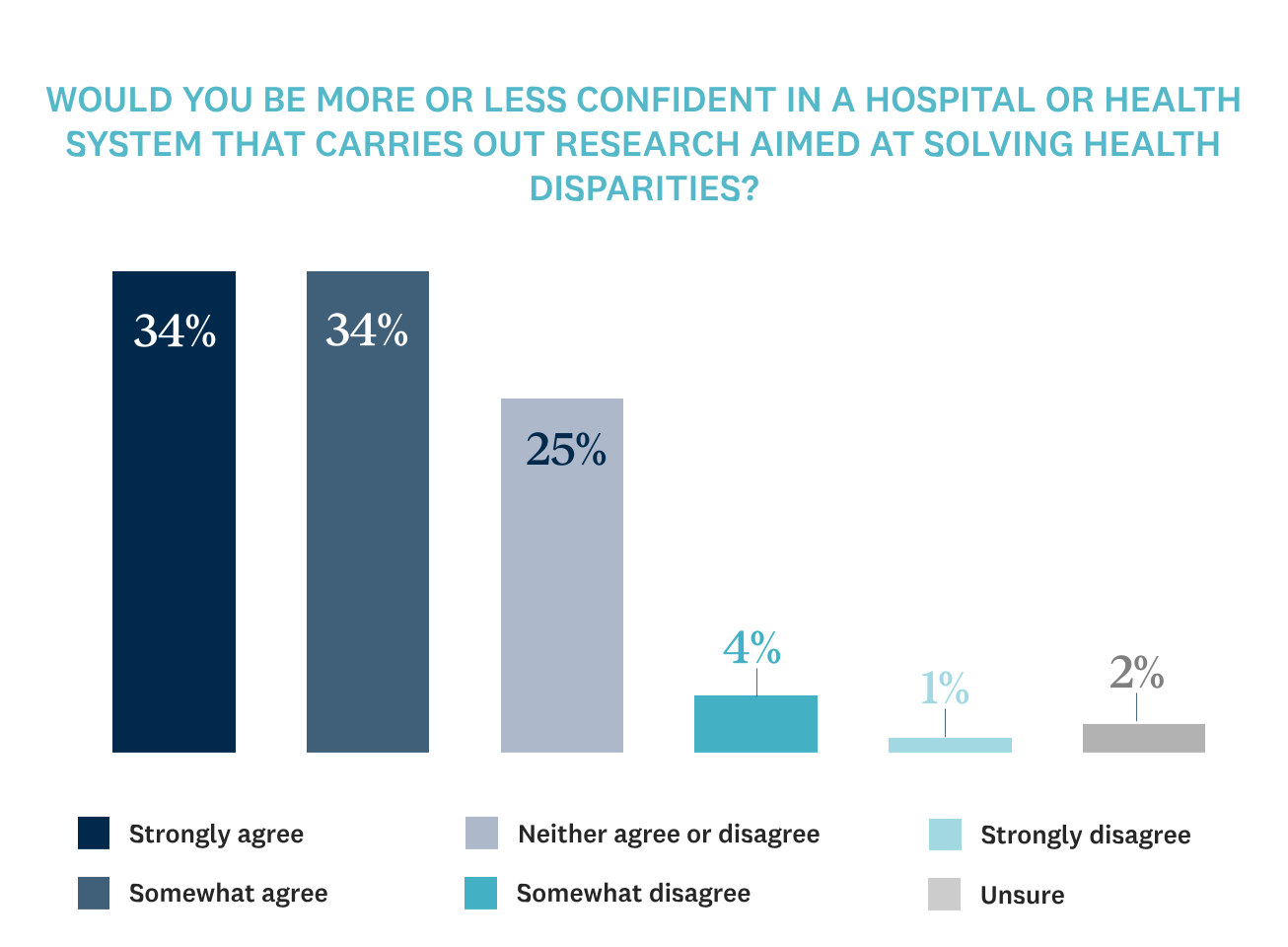
Patients agree research on equity is important, and two-thirds are more confident in providers that conduct this research
The message is clear: Patients no longer judge health equity by intent statements or isolated programs. They evaluate it through day-to-day experience—including how organizations deliver care, deploy technology, and act in the best interests of all communities.
For leaders, these findings offer more than a snapshot of public sentiment. They provide a diagnostic lens for examining where inequities may exist within their organizations across access, experience, quality, outcomes, and value.
Key actions for healthcare organizations
Top-tier healthcare performance depends on consistent clinical outcomes and experience across all populations. Health equity strategy and performance improvement efforts serve as a bridge in the final stage of the journey toward pinnacle health system quality and safety aspirations.
The survey findings highlight the need for a fundamental shift: Rather than treating health equity as a separate initiative, healthcare organizations that integrate health equity into their strategic decisions and everyday operations can ensure it becomes an enduring priority.
Our research suggests four immediate opportunities:
-
Build and sustain community trust as a strategic asset. Trust is not abstract. For healthcare organizations, it is increasingly critical as public skepticism toward institutions continues to grow. Organizations earn trust through consistent, transparent, and inclusive engagement and by demonstrating that community voices meaningfully shape their decisions.
Organizations should assess where trust is strong—and where it is fragile—across different population groups. They can then align governance, communications, community investment, and partnerships accordingly.
- Treat health equity as a lever for access and affordability. As more patients lose health insurance, healthcare organizations will need to look further upstream for value. Early interventions and proactive patient engagement can minimize costly downstream factors (e.g., length of stay and 30-day readmissions) while improving health outcomes for communities that otherwise could become disenfranchised.
-
Adopt healthcare AI with accountability for equity outcomes. Patients are cautiously optimistic about AI’s clinical potential, particularly those who have experienced bias in healthcare.
Leaders should treat equity as a design and governance requirement for integrating AI into clinical, operational, and insurance-related use cases. Consistently communicating these changes, innovations, and internally governed best practices will help the communities they serve see these profound advances in a similar light. This will be essential to sustain trust and improve outcomes while scaling innovation.
- Reposition equity-focused healthcare research. Health equity is fundamental to the US healthcare system’s financial performance, care quality, and patient safety. As studies continue to examine healthcare quality and its impact at a macro level, they should also include rigorous analysis of variation in clinical outcomes by race, ethnicity, sex, gender, age, zip code, and other relevant patient and community characteristics. Such research will help healthcare organizations achieve pinnacle performance through both broadly relevant and targeted improvements.
We explore these themes in greater depth in our full survey and will outline practical steps in an upcoming Chartis series.
Accelerate momentum for greater health equity
Patients and their families are looking to healthcare organizations to create more equitable care with better outcomes for all. Healthcare leaders who embed health equity into their organization’s core strategy and performance drivers will also build trust, support greater innovation, and enable stronger organizational performance.