Rural healthcare challenges deepen as the Rural Health Transformation program ramps up.
26 minutes
For more than a decade, Chartis’ annual study has examined the stability of the rural health safety net in America. Economic, policy, and demographic forces have placed an increasing strain on this safety net.
Today, more than 40% of rural hospitals are operating at a loss. As a result, 417 facilities are vulnerable to closure. Care deserts, where services such as obstetrics (OB), chemotherapy, and general surgery are nowhere to be found, are expanding at an alarming rate.1
The Rural Health Transformation (RHT) program is injecting $50 billion into rural healthcare over the next 5 years and promises to address “the fundamental hindrances of improvement in rural health care.”2
This is an unprecedented investment in rural healthcare, but states will only use a small fraction to stabilize rural hospitals. Estimates also indicate that the program won’t offset the nearly $140 billion in expected losses from Medicaid-related cuts stemming from the One Big Beautiful Bill Act (H.R. 1).3
Rural healthcare is at a crossroads. RHT-funded initiatives will support innovation and improve care delivery, but our latest analysis suggests that time is of the essence. Many baseline indicators that Chartis has tracked for more than a decade, as well as new measures, reveal that the challenges facing rural hospitals and the difficulties in accessing care within rural communities are deepening.
Key findings from our analysis:
More than 40% of all rural hospitals operate in the red. In the 10 states that did not expand Medicaid under the Affordable Care Act, 52% of facilities operate at a loss.
More than 200 rural hospitals have closed or converted to models that exclude inpatient care (e.g., Rural Emergency Hospital) since 2010.
417 rural hospitals are vulnerable to closure, including 36% of hospitals in non-expansion states.
Access to care continues to decline sharply in rural communities. More than 300 hospitals have eliminated OB services, more than 300 hospitals have eliminated general surgery, and more than 450 facilities have eliminated chemotherapy.
Cuts to Medicaid will negatively impact rural hospitals. Nationally, more than 10 million rural residents rely on Medicaid. Medicaid reimbursements account for nearly 10% (or $3.9 million) in net revenue for the typical rural hospital.
89% of rural census tracts are designated as Healthcare Professional Shortage Areas (HPSAs) for behavioral health professionals. In 13 states, 100% of rural census tracts are HPSAs.
Key findings from RHT applications:
States view telehealth and artificial intelligence (AI) as primary drivers for addressing clinical needs, access to care, and workforce-related challenges. Accordingly, they feature prominently in state RHT programs.
States consider interoperability among tech-enabled solutions essential, especially for rural providers that rely on a patchwork of legacy electronic health records (EHRs) and enterprise resource planning systems (ERPs) that need modernization investment.
Clinically integrated networks (CINs), which gained momentum in 2025, are integral to state RHT programs that aim to improve care coordination.
Efforts to reform certificate of need (CON) laws, which are part of eight state RHT applications, may increase uncertainty rather than solve rural healthcare’s access-to-care issues.
How are reduced reimbursements and payer mix changes impacting rural hospitals?
Our analysis indicates that more than 10 million rural Americans rely on Medicaid, and at the median Medicaid represents nearly 10% of total net revenue for rural hospitals. The Medicaid-related cuts outlined in H.R. 1 will severely impact cash-strapped rural hospitals.
These cuts will affect rural hospitals that are already contending with annual policy-driven reimbursement cuts. Sequestration (an annual 2% cut in Medicare reimbursement) will cost rural hospitals approximately $540 million this year. Bad debt reimbursement (an annual 35% reduction in charity care reimbursement) will make another $148.4 million vanish.
An analysis Chartis published in 2025 during the budget reconciliation process revealed the extent to which rural hospitals rely on Medicaid as part of their payer mix. In 33 states, the estimated number of Medicaid enrollees living in rural areas exceeds 100,000. In Kentucky, Texas, and New York, the number of rural residents enrolled in Medicaid in each state is approaching 500,000.
Our review of cost data from more than 2,000 rural hospitals revealed that the median annual Medicaid reimbursement was $3.9 million. As a result, a modest 15% reduction in Medicaid revenue would cost rural hospitals over $1.8 billion nationwide, equivalent to more than 21,000 full-time hospital employee salaries.
Simultaneously, the popularity of Medicare Advantage also contributes to payer mix disruption. In rural communities, 39% of all Medicare-eligible residents are enrolled in one of these plans. The administrative requirements of these plans can be burdensome for rural hospitals and reimbursement rates may be lower than traditional Medicare.
How will states put RHT funds to work?
Our review of the RHT program and the 47 state applications publicly available in November and December 2025 revealed inspirational and aspirational initiatives that should positively impact care delivery in rural communities. We also uncovered provisions that may undermine the RHT program’s overall effectiveness and increase safety net instability.
The Centers for Medicare & Medicaid Services’ (CMS’s) $10 billion RHT allocation for calendar year 2026 included funds for all 50 states. Based on CMS’ scoring model, Texas received the highest allocation ($281.3 million), while New Jersey received the lowest ($147 million). The 10 non-expansion states received a combined total of $2.2 billion.
CMS’s allocation model leverages a multitude of factors and is not necessarily proportional to the vulnerability of the rural hospital safety net in each state or the size of the rural population. In some states, the allotted funds amount to less than $100 per rural resident.4
Although initial public talking points surrounding the RHT program suggested the fund would offer direct relief to rural hospitals, the final text of H.R. 1 included a broad list of eligible entities. It also defined a broad list of allowable uses for the allocated funds.
While these allocated funds may seem significant, provider payments cannot exceed 15% in a given budget year per CMS. States also cannot spend more than 20% on capital expenditures and infrastructure.
State RHT applications varied in detail but included common themes, such as workforce development, telehealth, partnerships and network development, interoperability, and preventive measures promoting healthier lifestyles.
Recruiting and retaining healthcare staff in rural settings is an entrenched issue in rural healthcare delivery and has been a component of our research for more than a decade.
State RHT initiatives will attempt to address workforce challenges from various angles. Approximately half of the applications (e.g., Nevada, Mississippi, South Carolina, and Texas) referenced career pathway programs to create a pipeline of healthcare professionals ready to serve in rural communities.
In 42% of applications, initiatives focused on rural residency programs, fellowships, and/or graduate medical education programs. Some focused narrowly on recruiting, training, and providing additional resources for community health workers (e.g., South Dakota, Washington, and Wisconsin); emergency medical technicians (e.g., Illinois); and OB professionals (e.g., California).
Rural healthcare stakeholders, particularly hospital leadership teams and staff, believe that a more expansive and concerted effort to recruit and retain healthcare workers in rural communities is long overdue. RHT resources will enable these initiatives to increase the number of rural healthcare personnel and address access to care challenges in rural areas.
Our analysis of Healthcare Professional Shortage Area (HPSA) data indicates that 66% of rural census tracts are HPSAs in the combined fields of behavioral health, primary care, and dental care.
When considering behavioral health, a point of emphasis in RHT applications, the situation is even more dire. 89% of rural census tracts are designated HPSAs. In more than a dozen states, 100% of rural census tracts are designated HPSAs for behavioral health professionals. More than 80% of rural census tracts are considered shortage areas for primary care professionals (four states are at 100%), and 71% are designated HPSAs for dental professionals.
This HPSA data shows the severity of the need for healthcare professionals in rural communities. Recruitment and retention directly affect access to care in rural areas. As a result, many states proposed directing RHT funds to medical schools, rural health residencies, maternal care/OB, and workforce training for community health workers and other health professionals.
While capacity for behavioral health is a challenge beyond rural communities, coverage gaps are particularly acute in rural areas. And demand in rural areas is high. Our research shows, for example, that many population health measures commonly known as “deaths of despair” (e.g., rates of deaths related to suicide, drug overdose, and alcohol) are higher in rural areas than urban.
Across the country, rural communities have half the access to providers their urban counterparts do:
Primary care: 63rd percentile for urban communities vs. 33rd percentile for rural communities
Behavioral health: 63rd percentile for urban communities vs. 31st for rural communities
Dental: 65th percentile for urban communities vs. 31st for rural communities
Additionally, rural residents’ outcomes are also worse than their urban counterparts (e.g., years productive life and mortality).
It is important to note that many of these types of workforce-related programs have been in place for decades, but so-called “deep and persistent” HPSAs (e.g., frontier communities) remain the most significant challenge facing rural healthcare. However, we are optimistic that with time and patience, RHT funding can make a difference.
From a technology standpoint, telehealth stood out in RHT applications. All applications reviewed as part of our analysis outline various telehealth initiatives to improve clinical care and coordination, address workforce challenges, and improve access to care. For instance:
Alabama has proposed expanding access to care via a “network of telehealth hubs linking EMS [emergency medical service] first responders, hospitals, and other healthcare facilities to regional referral centers” to improve health outcomes and reduce transfers.
Kentucky sees an opportunity to leverage telehealth for maternal health services. This could significantly impact care because, according to our analysis, 20% of rural OB units in Kentucky have closed since 2011.
Indiana is turning to AI to enhance telehealth-related decision support.
Chartis data prior to 2020 showed that telehealth accounted for 1% of all outpatient visits (rural and non-rural). During the pandemic, that increased to 10%. Telehealth is flexible and can expand access to new and existing services, address workforce challenges, reduce community health disparities, and improve patient retention.
When monitoring telehealth initiatives, broadband access within rural communities is an important metric to consider because it is another disparity between rural and urban residents. The percentage of residents in rural hospital service areas with access to broadband ranks at the 30th percentile nationally, less than half that of urban residents (69th percentile). Digital literacy is another important consideration to ensure that telehealth can have the intended impact for vulnerable rural communities.
State and regional “networks” of rural hospitals have been actively helping to support the rural safety net for nearly 2 decades. Collaboration (whether loosely federated, a close relationship with larger provider organizations, or more formal CINs) can drive quality improvement, expand access to resources, and emphasize the transition to value-based care.
Nearly 60% of RHT state applications in our analysis include efforts to create or expand collaborative networks. 50% reference value-based payment models as mechanisms to improve care delivery. For instance:
Indiana proposed creating a statewide coordinated care network to address social drivers of health.
North Carolina intends to develop locally governed networks that connect various disciplines and are tailored to each community’s needs.
CINs are gaining momentum nationally as a step forward, offering opportunities for improving operations and impacting community health status. Nearly 60% of rural hospitals are affiliated with a health system. CINs help independent rural hospitals in particular access benefits typically associated with system affiliation (e.g., shared governance, planned referral patterns, improved supply chains, negotiated pricing for supplies and drugs, and clinical service line rationalization).
In 2025, organizations launched CINs in Ohio (Ohio High Value Network) and Wisconsin (Wisconsin High Value Network) to replicate the success of the Rough Rider Network in North Dakota. According to their RHT applications, Arkansas, Nevada, Oregon, and Vermont also plan to create CINs.
Addressing behavioral health (54%) and combating chronic disease (60%) in rural communities are prominent components of Make America Health Again (MAHA) initiatives across state RHT applications.
Access to behavioral healthcare is most limited in North Dakota, Texas, Alabama, Tennessee, and Georgia. These states received more than $1.1 billion in combined RHT allocations from CMS for FY2026.
Alabama and Tennessee proposed using RHT funds for behavioral health mobile units and clinics. Idaho plans to pursue data-driven, community-targeted efforts, and South Dakota intends to create certified community behavioral health clinics.
Our analysis shows that rural communities are vulnerable—they are older, less healthy, and less affluent, and they have worse outcomes than their urban peers. Chronic disease contributes to premature death, and rural America carries a disproportionately high share of the chronic disease burden. According to our analysis, rates of obesity and diabetes are higher in rural than urban areas. Mortality rates related to heart disease, diabetes, and cancer are also higher.
Mississippi, South Carolina, and Louisiana have the highest rates of premature death in rural areas. Mississippi, Louisiana, and Arkansas have the greatest prevalence of diabetes in rural areas. In these states, CMS has allocated more than $820 million of RHT funding for FY2026.
RHT applications emphasize chronic disease as part of programs aligned with MAHA. States offered a compelling mix of foundational and innovative approaches to changing behaviors. For instance:
North Carolina proposed diabetes and hypertension management
Kentucky proposed community-led strategies to prevent diabetes
Minnesota proposed technology-enabled solutions for chronic disease care management
States are appropriately recognizing the population health disparities and health inequity within rural communities. But these disparities are deeply entrenched and multifactorial issues, often informed by poverty and inequity. They require more holistic solutions.
Insufficient resources have often impeded rural hospitals’ ability to adopt or successfully leverage complex technology platforms. But modern EHRs, ERPs, and other solutions are vital to managing patient care and personnel.
EHR platforms have helped to modernize clinical care delivery. Federal government investment and “meaningful use” programs from legislation such as the Health Information Technology for Economic and Clinical Health Act and the ACA have helped hospitals replace antiquated systems and meet implementation standards.6
Greater interoperability, particularly as it applies to patient records, has proven daunting in rural settings, and health information exchanges (HIEs) have had mixed results in addressing this challenge. But this is a focus for many RHT applications:
Illinois, Missouri, New Mexico, Oklahoma, South Carolina, and Tennessee included initiatives to modernize and invest in EHRs.
Colorado, Indiana, and North Carolina aim to increase the number of HIE participants and modernize their platforms.
Because human capital accounts for 56% of healthcare costs and supplies account for another 22%, having a modern technology infrastructure is vital for effective and efficient management of resources.
Too many rural hospitals run fragmented, on-site legacy systems rather than cloud-based solutions, making them more difficult to modernize. Rural hospital operators need to keep pace with their urban counterparts, which are rapidly modernizing their operations by investing in ERP platforms. Otherwise, rural hospitals will struggle to plan, hire staff, or buy supplies efficiently.
Interoperability must also extend beyond clinical-to-clinical data because clinical-to-operational integration is critical to unlocking value, safety, and efficiency. Front-office (clinical) and back-office (finance, supply chain, and human resources) integration offers total cost-of-care visibility and margin management, optimal staffing, and skill alignment, enabling clinicians to work at top of license. These integrations also improve care quality and decrease delays and service duplications.
At the median, rural and community hospitals have 29 days of cash on hand, and Critical Access Hospitals have 98 days cash on hand. The combination of an integrated supply chain and financial insight can help providers, for example, control spend through early-pay vendor discounts and improve cash management. RHT funding can increase investment in interoperability to keep rural hospitals viable, support caregivers, and serve communities.
Will CON reform efforts help or hurt rural hospitals?
Eight RHT applications mentioned CON reform, and the CMS scoring methodology warrants its inclusion in this year’s assessment. The argument for reforming CON laws is rooted in the notion that these measures stifle competition and limit organizations’ ability to expand access in rural communities.
That said, CON reform could bring some potential risks for rural health access overall if states don’t deploy it with an eye toward rural hospital stability.
In order to fulfill their mission of providing broad-based community care, rural hospitals offer a diverse portfolio of services. Some of these services are profitable, while others are not. Specialized providers (e.g., surgery centers, imaging/laboratory services, and urgent care) are not obligated to offer this array of services and can focus on high-margin outpatient services.
At the median, outpatient services generate 85% of revenue for Critical Access Hospitals and 77% for rural and community hospitals. Greater competition for these services will likely siphon vital revenue streams from rural hospitals, further jeopardizing their financial viability.
CON law reforms may create more options in the near term, but in the long term, rural communities might not be able to support multiple entities offering similar services. And if rural hospitals close, communities could lose access to low-margin services that specialized providers are unlikely to offer. Economic impacts and job losses will also come with rural hospital closures.
How many rural hospitals are operating in the red?
The national median operating margin for rural hospitals is 2.0%, with 41.2% of all rural hospitals operating in the red. This overall percentage is an improvement over 2025 (46%), largely due to the stronger financial performance of rural hospitals in expansion states.
Among rural hospitals in states that expanded Medicaid under the Affordable Care Act, 34.9% are in the red, and the median operating margin is 2.9%. In 2025, 43% were in the red, and the median operating margin was 1.5%.
In the 10 non-expansion states (i.e., Alabama, Florida, Georgia, Kansas, Mississippi, South Carolina, Tennessee, Texas, Wisconsin, and Wyoming), our data continues to show that rural hospitals are not matching the financial performance of expansion-state facilities. In non-expansion states, 52.2% are in the red, and the median operating margin is −0.7%. These metrics are on par with those reported last year (53% in the red with a median operating margin of −1.1%).
41.2%
of rural hospitals are in the red
The new state-level data show that 86.2% of rural hospitals in Kansas are operating in the red. This is the highest percentage in the nation. Alabama has the second-highest (67.6%), followed by Arkansas (59%) and Wyoming (58.3%). In 15 states, the percentage of rural hospitals with a negative operating margin exceeds 50%. Only six states have fewer than 25% of rural hospitals in the red.
Are rural hospitals continuing to close?
Our analysis indicates that 206 rural hospitals have either closed or converted to models that exclude inpatient care (e.g., Rural Emergency Hospital) since 2010.
Converting to a model such as the Rural Emergency Hospital does allow some healthcare services to remain locally (e.g., emergency care). But the loss of inpatient care forces residents to seek care elsewhere.
The following states have experienced the greatest loss in inpatient care through closures and conversions since 2010: Texas (27), Tennessee (18), Oklahoma (13), Kansas (12), and Mississippi (12). The loss of inpatient care, however, continues to be a national issue. During 2025, for example, inpatient care disappeared in states from coast to coast (e.g., California and Maine), and points in between (e.g., Alabama, Idaho, Kentucky, and South Dakota).
How many rural hospitals are at risk of closing?
Introduced in 2020, our multilevel logistic regression model creates a Rural Hospital Vulnerability index. This index quantifies the number of rural hospitals vulnerable to closure. This model assesses more than a dozen indicators to identify which are statistically significant for determining the likelihood of closure.
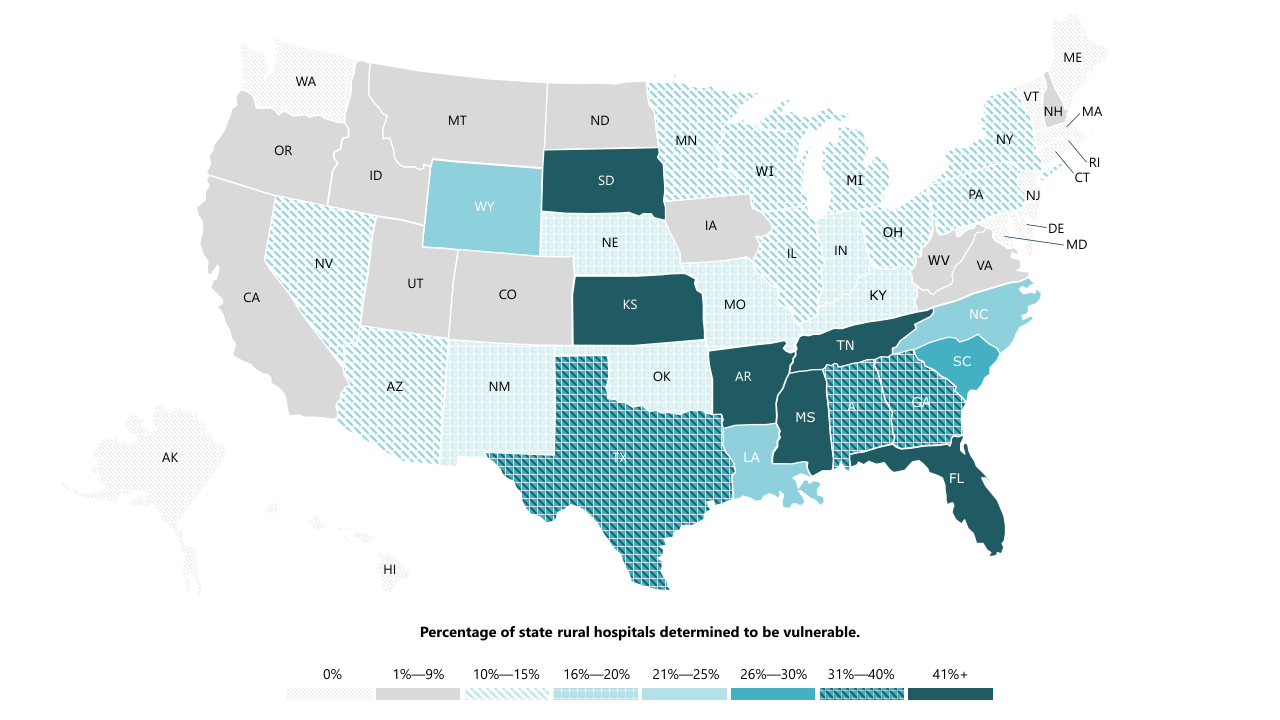
This year’s analysis reveals that 417 rural hospitals are vulnerable to closure. The number of vulnerable hospitals is 10 or higher in 17 states. Texas has the most (50), followed by Kansas (44), Tennessee (27), Georgia (25), and Mississippi (24). Collectively, these states received $1.1 billion from CMS as part of the RHT program.
When considering the percentage of rural hospitals vulnerable to closure in each state, Tennessee has the highest (61%), followed by Arkansas (55%), Florida (52%), Kansas (44%), South Dakota (42%), and Mississippi (42%). Collectively, these states received $1.2 billion from CMS as part of the RHT program.
While the overall number of vulnerable hospitals changed slightly since last year’s analysis (417 vs. 432), there are notable shifts at the state level. In Tennessee and South Dakota, the percentage of vulnerable hospitals jumped from 44% and 28%, respectively, to 61% and 42%, respectively. In Mississippi, which has been a weak spot in the rural health safety net for a long time, the percentage of vulnerable hospitals improved from 49% last year to 42% this year. In Kansas, that percentage improved from 47% to 44%.
How widespread are America’s rural healthcare deserts?
OB: The loss of access to care does not only relate to closed hospitals or conversions to alternative operating models. For more than a decade, we’ve tracked the spread of care deserts across America.
Care deserts exist where services such as OB, chemotherapy, and general surgery were once accessible at rural hospitals but are no longer. The deterioration of access to these services has been a stark “sleeper” metric during the closure crisis. It illustrates the difficult decisions hospital leadership teams and community-based boards of trustees must make to keep their doors open.
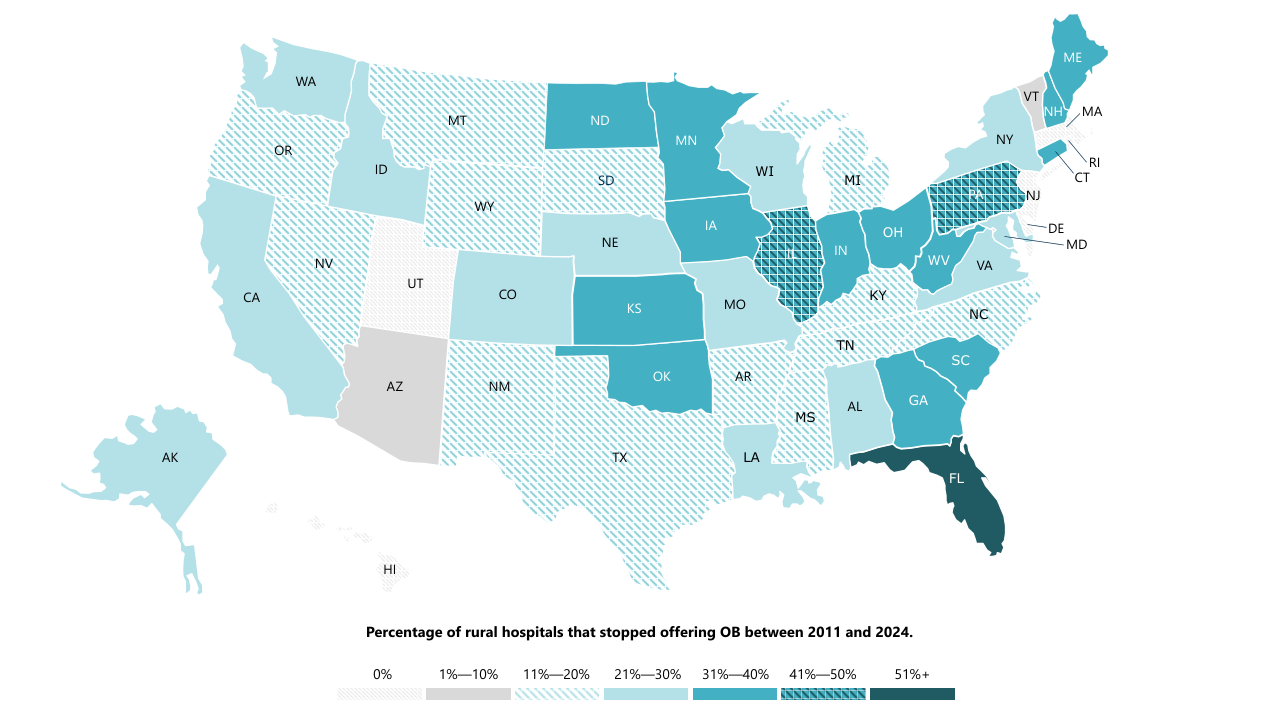
Between 2011 and 2024, 331 rural hospitals stopped offering OB services. This represents approximately 27% of the nation’s rural OB units.
Few states have escaped this alarming loss of access to OB within rural communities. Our analysis revealed that Florida lost 71% of its rural OB units, by far the highest percentage in the country, followed by Illinois (48%), Pennsylvania (42%), and New Hampshire (40%). Another 13 states had percentages ranging from 30% to 39%. Only four states (Delaware, Hawaii, Massachusetts, and Utah) have avoided any loss of rural OB units.
Chemotherapy: Our analysis reveals a similar rapid decrease in access to chemotherapy in rural communities. Between 2014 and 2024, 448 rural hospitals stopped offering chemotherapy.
In Mississippi, more than 50% of rural hospitals that previously offered chemotherapy during our review period no longer do so, followed closely by Texas (49%) and Tennessee (43%). Another seven states had percentages ranging from 40% to 43%. Although Texas has the second-highest percentage loss, the number of facilities dropping chemotherapy (60) is by far the largest in the nation. Only Hawaii, Maryland, Massachusetts, North Dakota, South Dakota, and Vermont have avoided any loss of chemotherapy during the review period.
General surgery: General surgery includes many common outpatient surgical procedures. This includes urgent procedures (e.g., burst appendix or gallbladder surgery) and non-urgent procedures (e.g., endoscopy or colonoscopy). Hospitals that offer maternal and birthing care also need to offer general surgery because of the possibility of a cesarean birth and other delivery-related procedures.
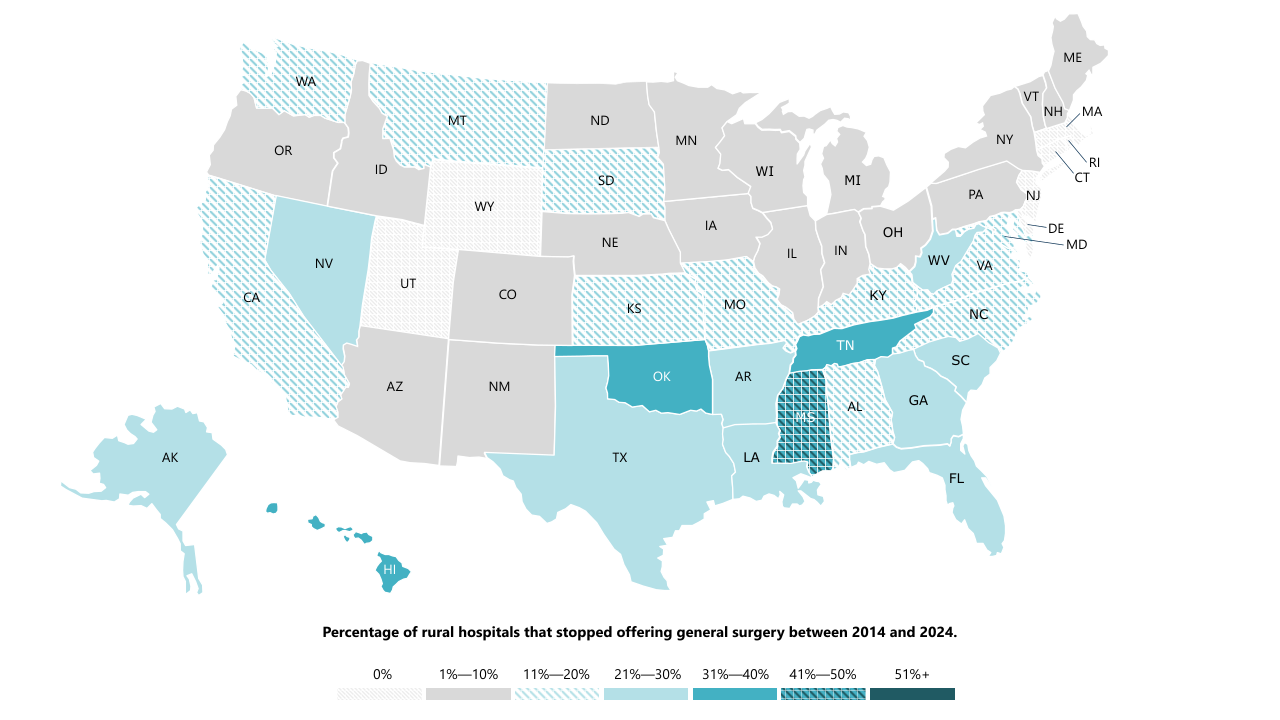
General surgery is also decreasing in rural hospitals nationwide. Of the 48 states with rural hospitals, 40 have at least one rural hospital that stopped offering general surgery during our review period.
Mississippi (44%) has the highest percentage of rural providers that stopped offering general surgery since 2014, followed by Oklahoma (39%), Hawaii (38%), Tennessee (33%), and Florida (30%). Texas (38) has the highest number of hospitals (38) that eliminated general surgery, followed by Mississippi and Oklahoma (25 each).
What’s next for rural hospitals?
In the months ahead, states will work to implement the programs in their RHT applications before the first program review in September 2026. We expect bumps along the way and perhaps more than a few initiatives that evolve during the journey.
Rural hospital leadership teams must devise a new set of key considerations to navigate the continued uncertainty and seize opportunities as they emerge. Hospitals, particularly independent rural hospitals, must prepare to maximize their participation in RHT-funded initiatives. Considerations include:
Actively engage in RHT program development through independent outreach, healthcare channels (e.g., hospital associations and state offices of rural health), and state-level representation.
Identify staffing shortfalls and develop models based on service line delivery and expansion opportunities associated with RHT initiatives.
Determine the level of readiness to successfully leverage new technological approaches to care delivery (e.g., telehealth).
Understand which collaborative models (e.g., CINs and partnerships) would yield the greatest financial and clinical benefit.
Quantify urgent unmet needs, continuum of care gaps, and population health disparities across hospital service areas.
Engage in tech-forward strategies with a focus on interoperability (e.g., EHR, ERP, and HIE).
Consider engagement/outreach aimed at helping communities understand the rural health landscape.
Consider how market dynamics and rural hospital revenue streams might shift in the wake of CON law reform.
Ensure that strategic governance is grounded in data and research relevant to rural healthcare.
RHT likely to treat symptoms but not deliver a cure
The data we’ve tracked consistently for more than a decade continues to reveal a rural health safety net that is worsening due to declining reimbursement, decreasing access to care, and worsening community health.
$50 billion is a historic government investment in rural healthcare. State proposals for leveraging RHT funds are innovative, and we expect many of the initiatives to positively impact healthcare in rural communities. While this is a significant step forward, the RHT program may be too late to prevent more hospitals from closing their doors or removing service lines such as OB or general surgery.
The Medicaid cuts that take effect in 2027 will intensify efforts to stabilize the financial viability of rural hospitals. Rural hospitals need to plan for those cuts while using RHT funding at the state level to deliver the maximum benefit from those programs and initiatives to the communities they serve.
Sources
1 Chartis Center for Rural Health, 2025. See methodology section for additional detail related to the Chartis analysis used in this study.
6 Eduaro Simoes, “Health Information Technology Advances Health Care Delivery and Enhances Research, National Library of Medicine,” Jan-Feb. 2015. https://pmc.ncbi.nlm.nih.gov/articles/PMC6170093/
Methodology Summary
Chartis’ analysis of the Rural Health Transformation Program is based on a review of individual state application narratives, summaries, and announcements during November and December 2025. Baseline tracking was at the summary level. No information was available for Hawaii, Nebraska and New Jersey during this period and thus their content is excluded.
For components of this study, Chartis analyzed a total of 2,081 rural hospitals. Rural hospitals are located within Census tracts designated as rural by the Federal Office of Rural Health Policy (FORHP). Hospitals (rural or non-rural) meeting any of the following criteria are excluded from the analysis: specialty facilities (defined as those where more than 80% of discharges fall under a single major diagnostic category), facilities located on Native American territory, facilities reporting consolidated data under another facility, and Rural Prospective Payment System (PPS) hospitals with more than 200 beds.
Chartis’ analysis of rural hospital operating margins for this study utilized CMS’ Healthcare Cost Report Information System (HCRIS) Q3 2025. Operating margin is computed in accordance with Flex Monitoring Team guidance. Outliers are excluded. Hospitals for which data are unavailable are excluded. Policy impact calculations are supplemented by information found in the Budget Control Act 2011, the Middle-Class Tax Relief and Job Creation Act of 2012, the National Center for Rural Health Works 2016, the World Bank 2021, and the Budget Enforcement Act of 1990.
Reporting on rural hospital closures and conversions to models that exclude inpatient care (e.g., Rural Emergency Hospital) is based on analysis conducted by Chartis utilizing data from the Cecil G. Sheps Center for Health Services Research at the University of North Carolina and Definitive Healthcare.
Rural hospital vulnerability utilizes a multi-level logistic regression model developed by Chartis. Statistically significant indicators include case mix index, government control status, average daily census swing/skilled nursing facility (SNF), average age of plant, average length of stay, occupancy, percent change in net patient revenue, years negative operating margin, Medicaid expansion status (stave level), and Traditional Medicare percentage days.
The baseline period for chemotherapy & general surgery line loss is 2014-2023 and utilizes Medicare SAFOP. Chemotherapy and general surgery services were identified using HCPCs codes recommended by The Surveillance, Epidemiology, and End Results (SEER) Program for identifying Chemotherapy Administration and Drugs in Medicare analyses. General surgery is defined as the highest volume of encounters across GI endoscopic procedures (e.g., colonoscopy, EGD procedures, laparoscopic cholecystectomy, etc.). HCRIS data (Q4 2025) is used to determine the loss of obstetrics in rural communities. The time period for the analysis is 2011-2024.
Impact of cuts to Medicaid is based on an analysis of 4,653 hospitals (2,567 non-rural and 2,086 rural hospitals). A unique set of county codes (FIPS) is compiled for the hospitals included in the analysis. FIPS codes that include at least one rural hospital are retained for the remainder of the analysis. The total number of Medicaid discharges for each facility is extracted (Column 14, lines 14 and 2 of Cost Report WS S3 Part 1) from the hospital cost report (latest available as of May 8, 2025).
For all counties containing at least one rural hospital, the percentage of rural Medicaid discharges within each FIPS code is calculated by dividing the total number of Medicaid discharges from the 2,086 rural hospitals by the total number of Medicaid discharges from all rural and non-rural hospitals. The estimated number of Medicaid enrollees per county is pulled from the U.S. Census. The estimated number of rural Medicaid enrollees in each county is calculated by multiplying the percentage of rural Medicaid discharges by the estimated number of Medicaid enrollees in counties that contain at least one rural hospital. For the financial impact analysis, we obtain the Medicaid net revenue (Line 2 of Cost Report WS S10) and net patient revenue (line 3 of Cost Report WS G3) from the hospital cost reports (latest available as of May 8, 2025). Financial cost report data is processed in accordance with established statistical standards to address outliers using the interquartile range (IQR) method. For each field within the cost report, the IQR is calculated by end year. Values exceeding the upper threshold (Q3 + 1.5 × IQR) are flagged as outliers and are substituted with the upper IQR limit. Similarly, values falling below the lower threshold (Q1 – 1.5 × IQR) are classified as outliers and replaced with the lower IQR limit. Cost report values of zero are excluded from median calculations.
Medicaid cuts at increments of 5%, 10%, 15%, and 20% are applied to the Medicaid net revenue figures to calculate the potential loss of total net revenue on the state and national level. The average salary per FTE for each hospital is obtained from the FLEX Monitoring Team. Outliers are identified and capped using the interquartile range (IQR) method. The loss of FTEs as a result of potential Medicaid cuts is calculated by dividing the total loss of Medicaid net revenue by the average salary of FTE for a given facility. The resulting figure is rounded down to the nearest whole number. The individual results for each facility are then aggregated at the state and national level.
Health Professional Shortage Area (HPSA) data is sourced from the Health Resources and Services Administration (HRSA). HRSA’s data is updated daily at the census tract level to reflect the latest HPSA designation. A HPSA is defined as an area that needs more health providers in primary care, dental health, or mental health. All HPSAs are defined on the basis of three basic criteria: the ratio of population to health providers, percent of population below the federal poverty level, and travel time to the nearest source of care outside the HPSA area.
Across the US, the rural health safety net remains under intense pressure. Since 2010, 182 rural hospitals closed or converted to an operating model that excludes inpatient care.