

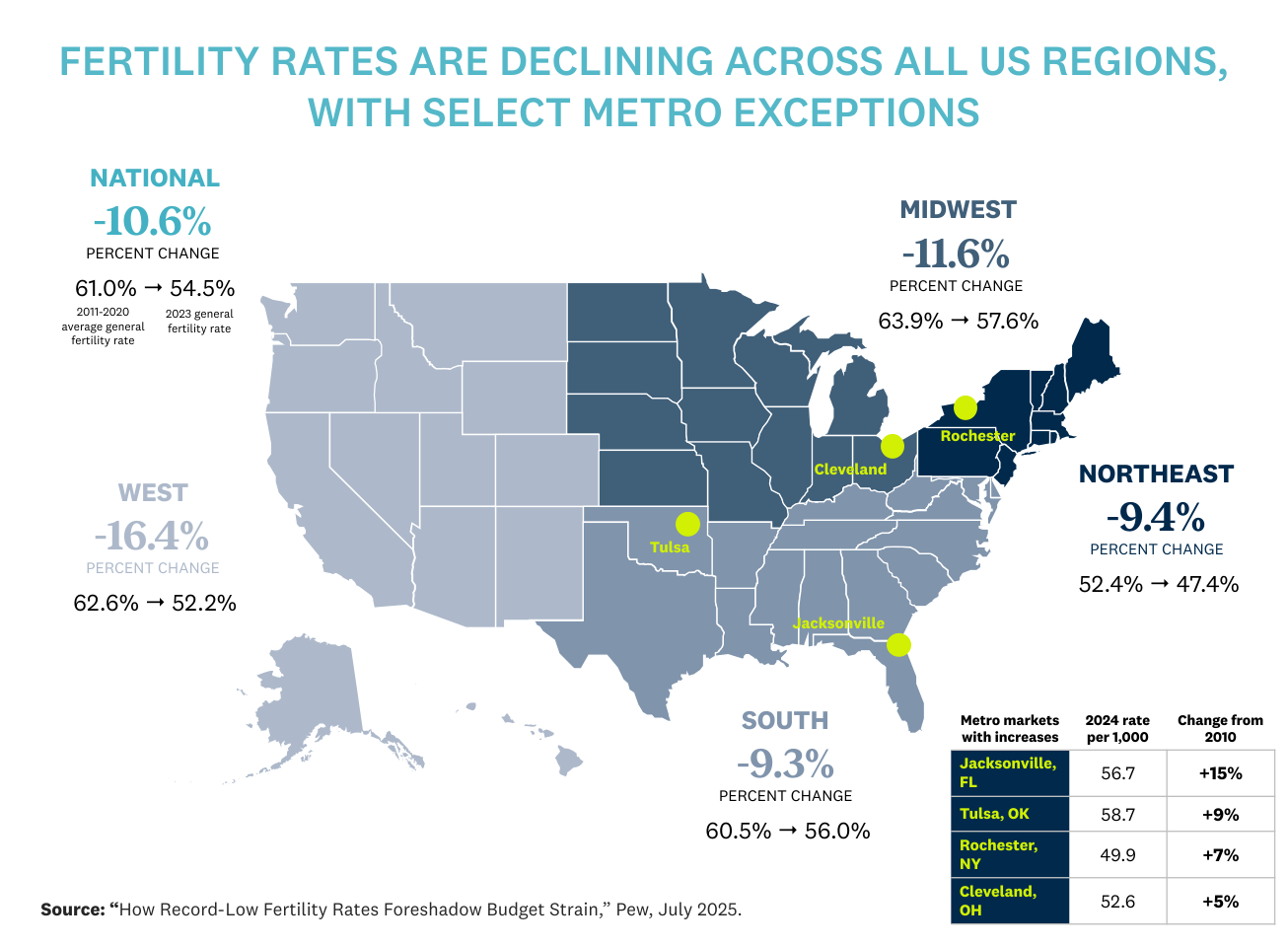
- US birthrates and fertility continue to decline, reducing the base of routine pediatric volume in most markets, although population growth and in-migration are sustaining pediatric populations in select areas. Fertility rates are declining broadly across all regions, with rates staying flat or increasing in only 6 of the 50 largest metro markets.2
Article
The future of children’s hospitals: Compounding pressures are reshaping what’s next for child health
Chapter 1
12 minutes
This piece is part of a series that explores the future of children’s health and the unique role children’s hospitals will play.
The changing needs of children and families, together with major shifts in the broader healthcare environment, are calling on children’s hospitals to lead in new ways.
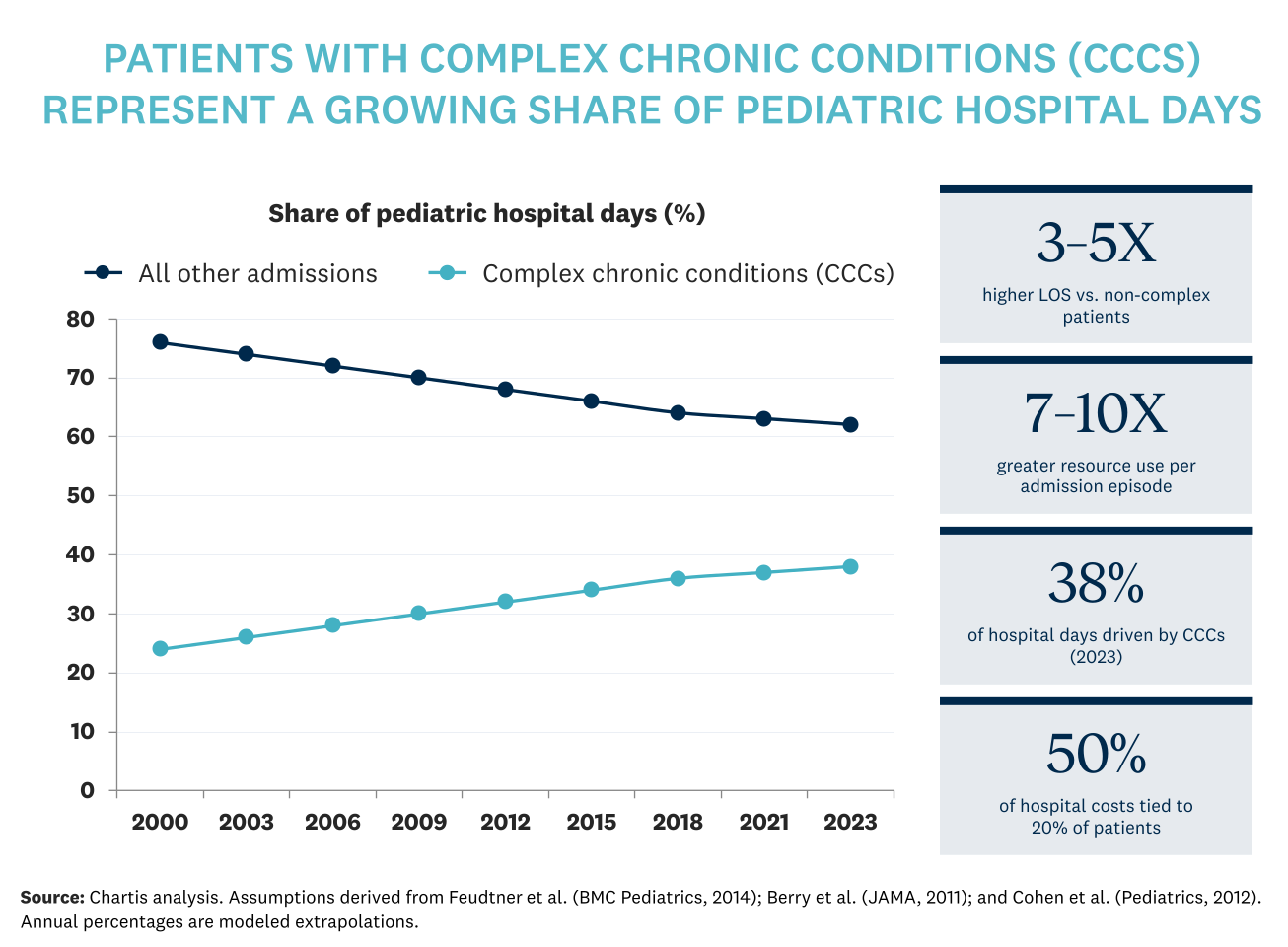
In many markets, declining birthrates are reducing the base of routine pediatric volume even as children’s needs are becoming more complex. Pediatric discharges involving two or more complex chronic conditions have increased 123%, and more children are experiencing behavioral, developmental, and social challenges that compound medical complexity.1
At the same time, advances in treatment are enabling more children with serious and previously life-limiting conditions to survive and thrive, increasing demand for sustained support over longer periods.
This evolving pediatric profile is placing new demands on a care delivery model already challenged by scarce pediatric expertise and mounting financial pressure. Site-of-care shifts and declining community capacity are concentrating more high-acuity, resource-intensive care in children’s hospitals. Meanwhile, some of the fastest-rising needs require support beyond the hospital and are not consistently funded through traditional reimbursement.
Children’s hospitals will play a unique role, redefined by new capabilities
Rapid advances in artificial intelligence (AI) and other technology, research, and care delivery are creating new possibilities for how children’s hospitals can respond to these pressures. These emerging capabilities can help extend scarce expertise, connect care more effectively across settings and over time, and accelerate discovery—allowing children’s hospitals to improve care while broadening their impact.
Children’s hospitals have always been distinguished by highly specialized pediatric expertise, research capabilities, and trusted relationships with families and communities. As care becomes more distributed and technology-enabled, children’s hospitals are uniquely positioned to serve as trusted stewards of pediatric information, evidence, and expertise across a wider network of care and support—ensuring that new models of care remain grounded in the distinct needs of children.
While not every children’s hospital will play the same role in the coming years, each will need to determine where it is best positioned to lead across three imperatives.
Partnerships will be critical. The next era of care will require deeper and more intentional collaboration to extend pediatric expertise, combine capabilities and investment, and address needs that increasingly span organizations and sectors.
Three strategic imperatives
1. Build an integrated pediatric care platform that orchestrates care
2. Lead the next generation of pediatric discovery and innovation
3. Mobilize a broader child health ecosystem
▲ Partnership enablement ▲
Care delivery partnerships:
Extend pediatric expertise across settings and create shared pathways for coordinated care.
Extend pediatric expertise across settings and create shared pathways for coordinated care.
Innovation and data partnerships:
Pair pediatric expertise with external capabilities to develop and scale solutions designed for children.
Pair pediatric expertise with external capabilities to develop and scale solutions designed for children.
Ecosystem partnerships:
Align organizations around unmet needs and build shared approaches to funding, advocacy, and accountability.
Align organizations around unmet needs and build shared approaches to funding, advocacy, and accountability.
Governance | Shared data and technology | Clear roles and pathways | Trust and privacy | Funding models | Measurement and accountability |
Chapter 2 explores how children’s hospitals can lead across each imperative, and chapter 3 explores what types of partnerships will help put these strategies into practice.
Children’s hospitals are facing intensifying headwinds
Pediatric needs are becoming more complex, specialized capacity is growing more constrained, and the economics of caring for children is becoming harder to sustain.
The pediatric need profile is changing
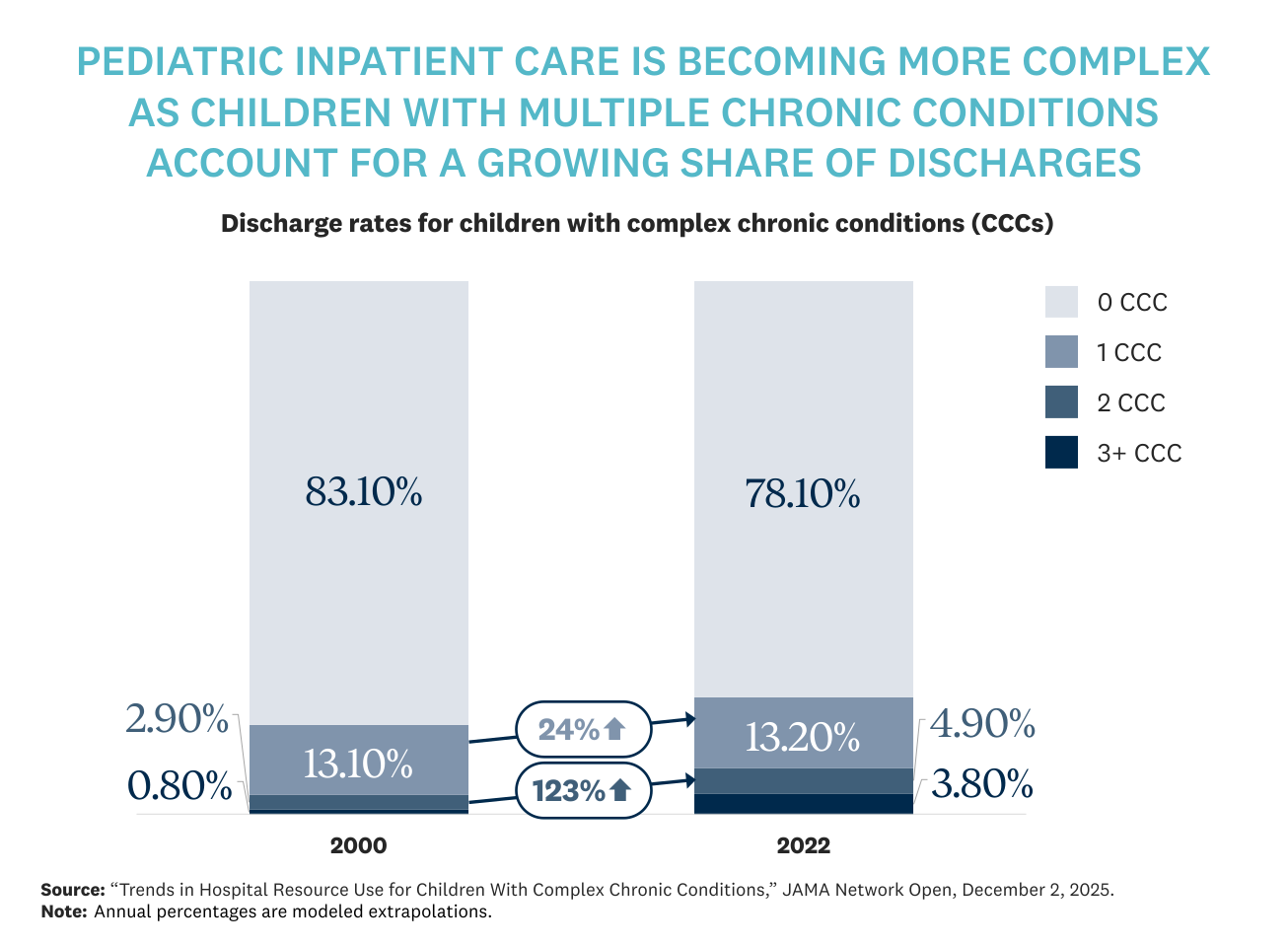
- The care needs of hospitalized children are also becoming more complex. The discharge rate for children with at least one chronic condition increased by 24%, while the rate among children with two or more chronic conditions grew by more than 120%.3
-
Greater medical complexity is increasingly accompanied by behavioral health needs. Diagnosed behavioral health conditions among adolescents have grown nearly 40% since 2016. Mental health comorbidity among children with complex chronic conditions increased from 8.4% in 2000 to 21.9% in 2022.4
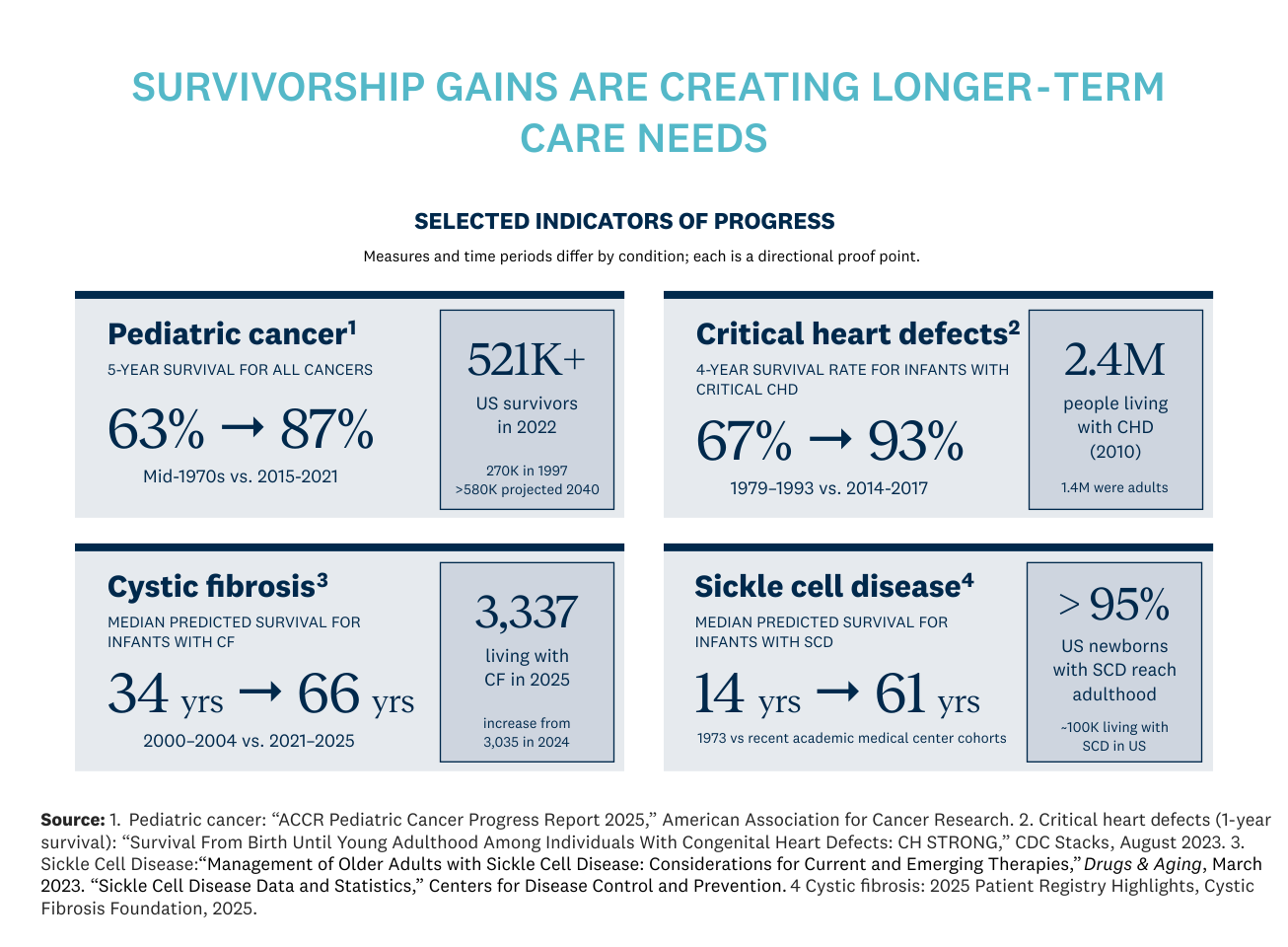
- At the same time, remarkable improvements in treatment mean more children with once-fatal or severely life-limiting conditions are surviving and thriving into adolescence and adulthood. This is increasing the need for long-term, multidisciplinary care across developmental stages.5
- More routine pediatric services are moving to ambulatory, home, and virtual settings, while community pediatric inpatient capacity is declining. Together, these shifts are concentrating a greater share of complex, resource-intensive care in children’s hospitals:
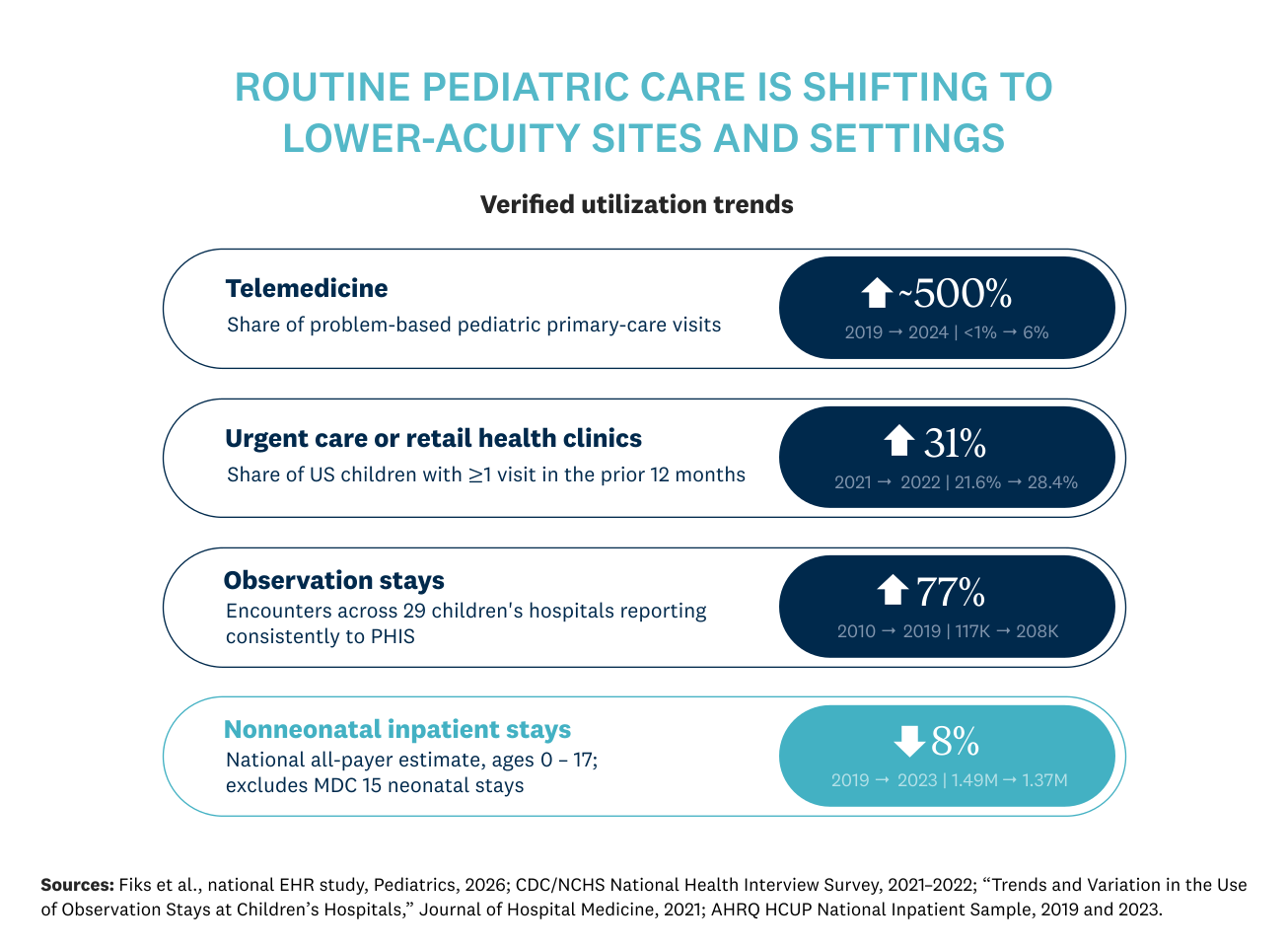
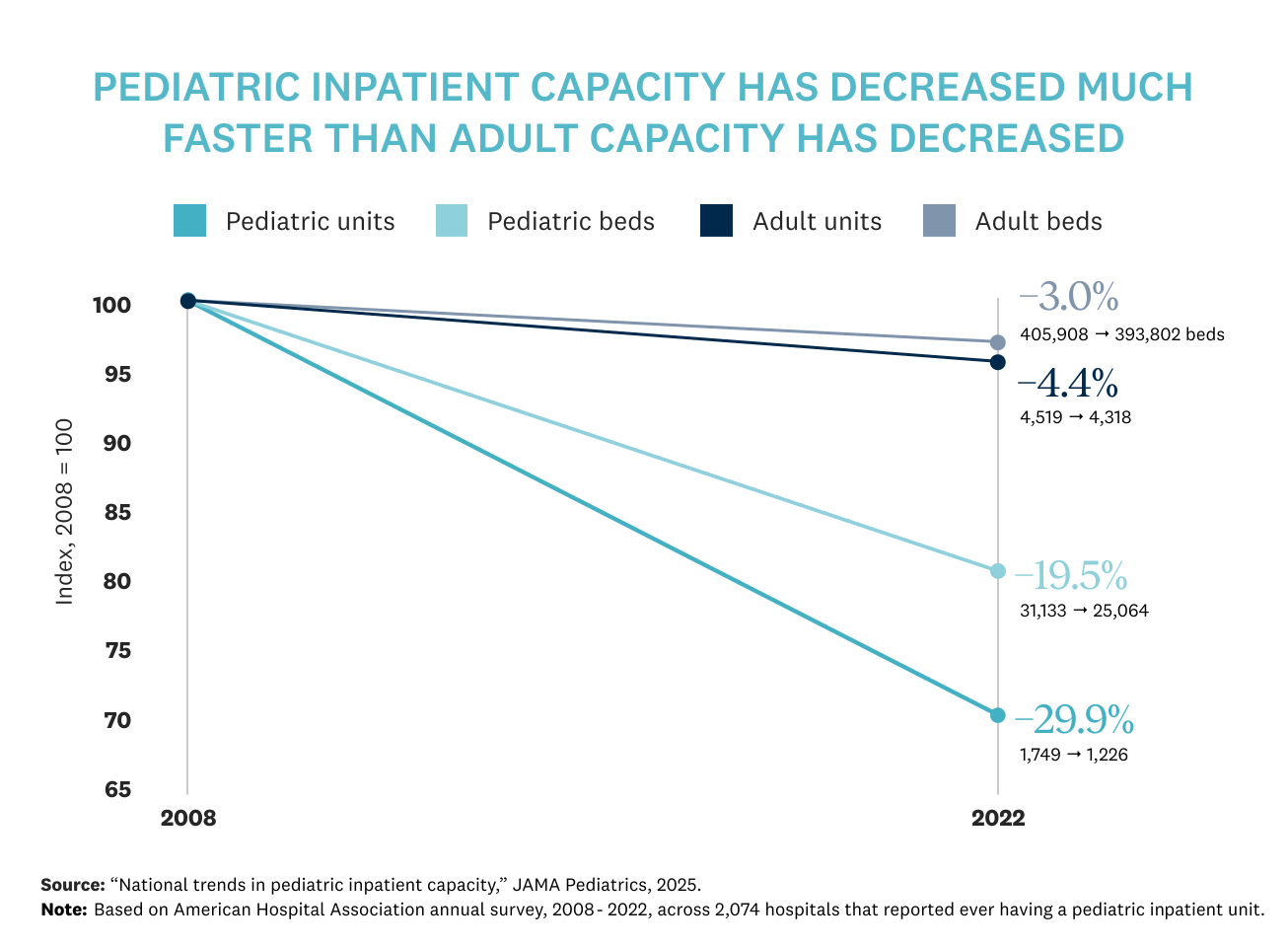
- Routine care is increasingly shifting out of traditional inpatient settings to distributed, lower-acuity alternatives. Telemedicine use for problem-based pediatric primary care visits increased approximately 500%, from less than 1% in 2019 to 6% in 2024. Urgent care and retail health clinic use increased 31% from 2021 to 2022. And observation stays increased 77% from 2010 to 2019 across 29 children’s hospitals.6
- Community pediatric inpatient capacity is contracting, with pediatric units closing seven times faster than adult units within the same hospitals.7
- Children with multiple chronic conditions often require more intensive inpatient support, including longer stays, more frequent ICU care, and more complex medication management. Traditional reimbursement often does not fully reflect this higher case-mix intensity.
The expertise required to meet these needs is increasingly constrained
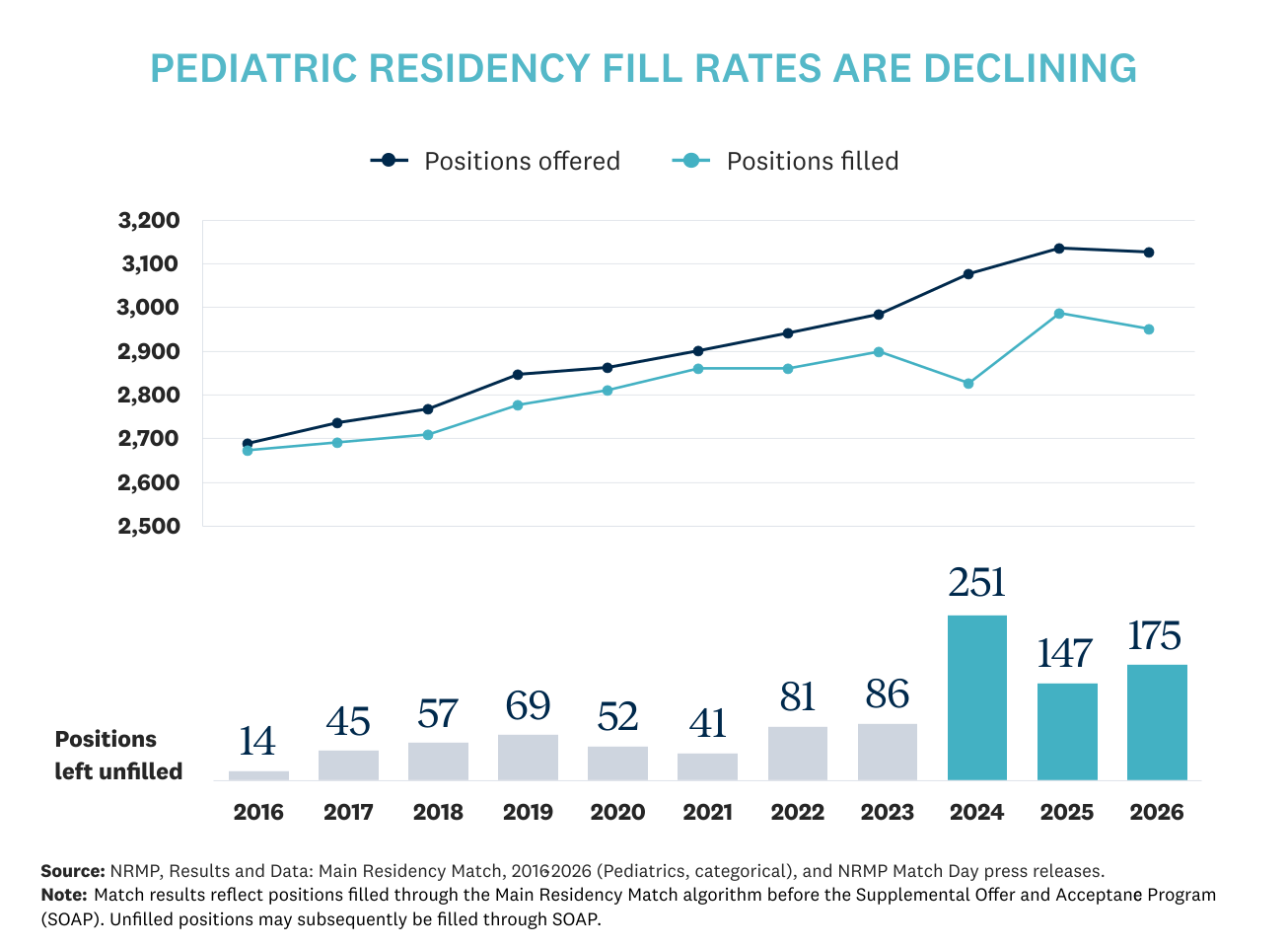
- Interest in pediatric specialties has weakened, even as demand for specialized expertise grows. Training capacity has expanded, but more pediatric residency positions are going unfilled, signaling a growing challenge in attracting physicians into the field. Current training trends will take years to reverse because of the long pipeline required to train pediatric specialists.8
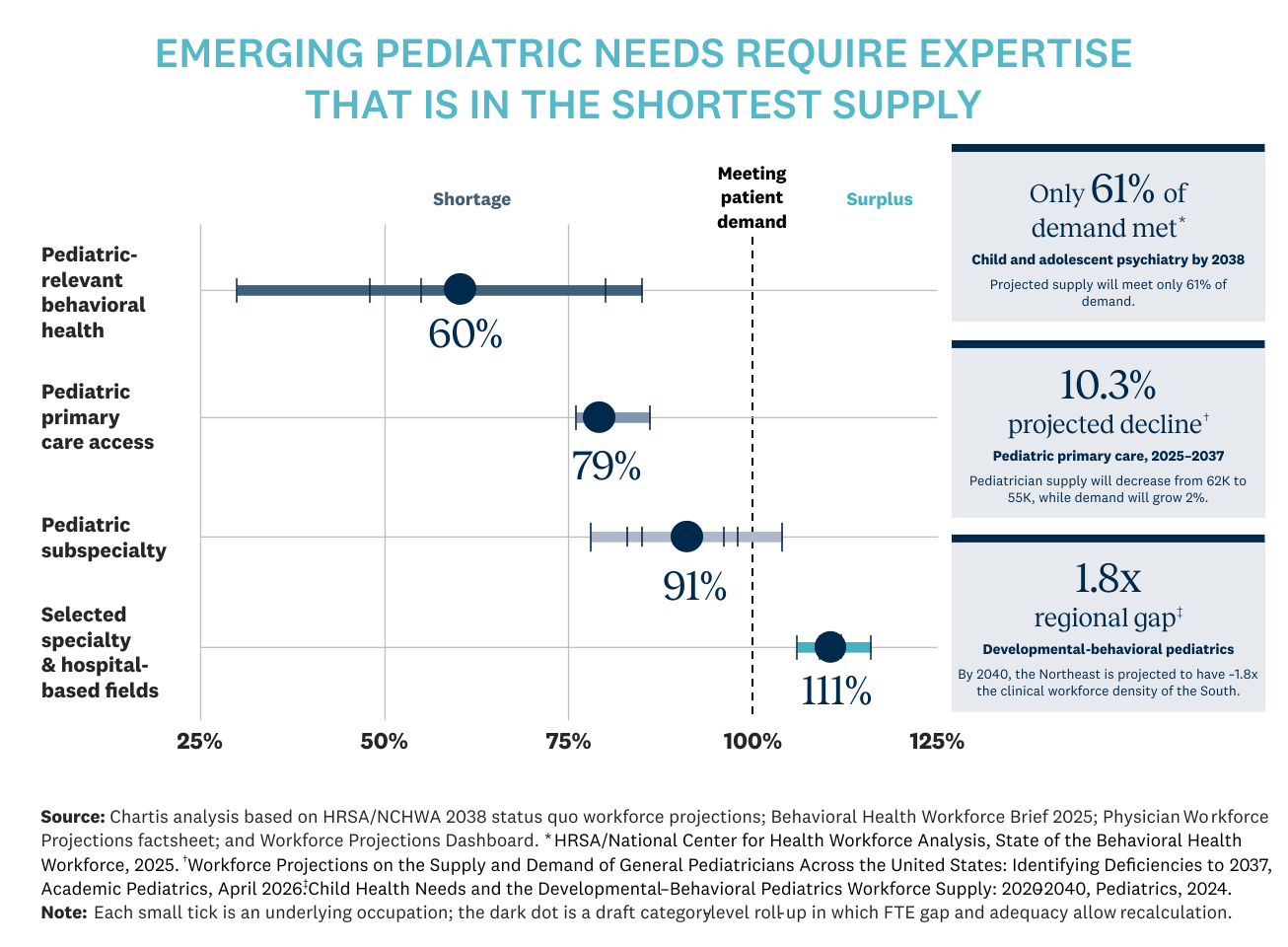
- The mismatch of expertise and access is especially acute in fast-growing areas such as behavioral health, where shortages of child and adolescent psychiatrists are compounded by an aging workforce.9
The economics of pediatric care are becoming harder to sustain
- As routine pediatric volume declines in many markets, neonatal intensive care unit (NICU) admission rates are also flattening after rising steadily for two decades. While this is a positive health trend, it also reduces an important financial offset for many children’s hospitals.10
- Broader financial pressures are also intensifying. Children’s hospitals highly depend on Medicaid and other public coverage. They also face rising costs associated with highly specialized care, putting further strain on operating margins.
-
Median operating margins for children’s health systems have fallen sharply, declining from 6.3% in 2018 to 2.3% in 2024 and remaining well below pre-pandemic levels.11
-
Uninsured rates among children are rising, with the increase especially pronounced among low-income children, whose uninsured rate reached 8.5% in 2024, compared to 6.0% for children overall.12
- Pediatric expertise is highly concentrated, creating access barriers for families and capacity pressure at major pediatric centers. Just 59 freestanding children’s hospitals, less than 1% of US hospitals, support 57% of pediatric medical and surgical specialty residents and fellows.13
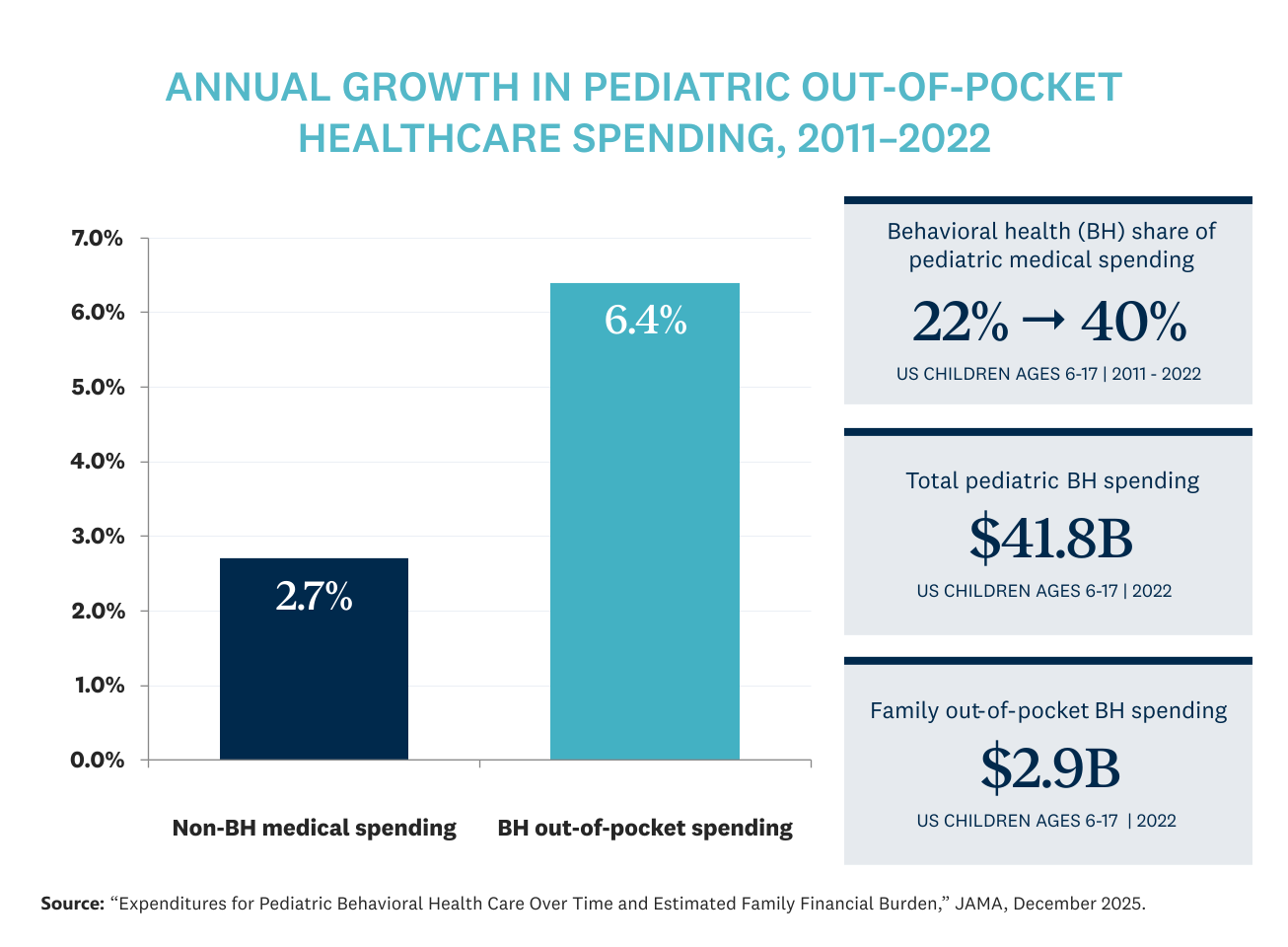
- Some of the fastest-growing needs, including behavioral health, complex care management, navigation, and longitudinal support, do not align well with traditional encounter-based reimbursement, making these services difficult to scale sustainably.
- Behavioral health accounted for approximately 40% of total pediatric healthcare spending in 2022.14
- Families are also bearing more of the cost directly, with out-of-pocket spending for pediatric behavioral health growing more than twice as fast as spending for other pediatric medical care, increasing from $2.1B in 2011 to $2.9B in 2022.15
- As children’s hospitals care for a more concentrated mix of high-acuity and resource-intensive patients, the cost of maintaining specialized pediatric capabilities is becoming increasingly difficult to absorb within traditional reimbursement models.
- Highly specialized services require substantial fixed infrastructure, staffing, and around-the-clock capabilities that must be maintained regardless of patient volume.
New capabilities are expanding children’s hospitals’ options for responding to these mounting pressures
AI, advanced analytics, remote monitoring, and digital tools can support a more connected model of care by extending clinical expertise and helping children receive more proactive support across settings and over time.
Children’s hospitals’ ability to realize that potential will depend on how well they integrate these capabilities into care delivery. Children’s hospitals will need to redesign workflows, engage clinicians and staff, build trust with parents and caregivers, and make deliberate investment choices. Those choices will be especially important given the substantial capital required for AI and advanced technology in an already constrained financial environment.
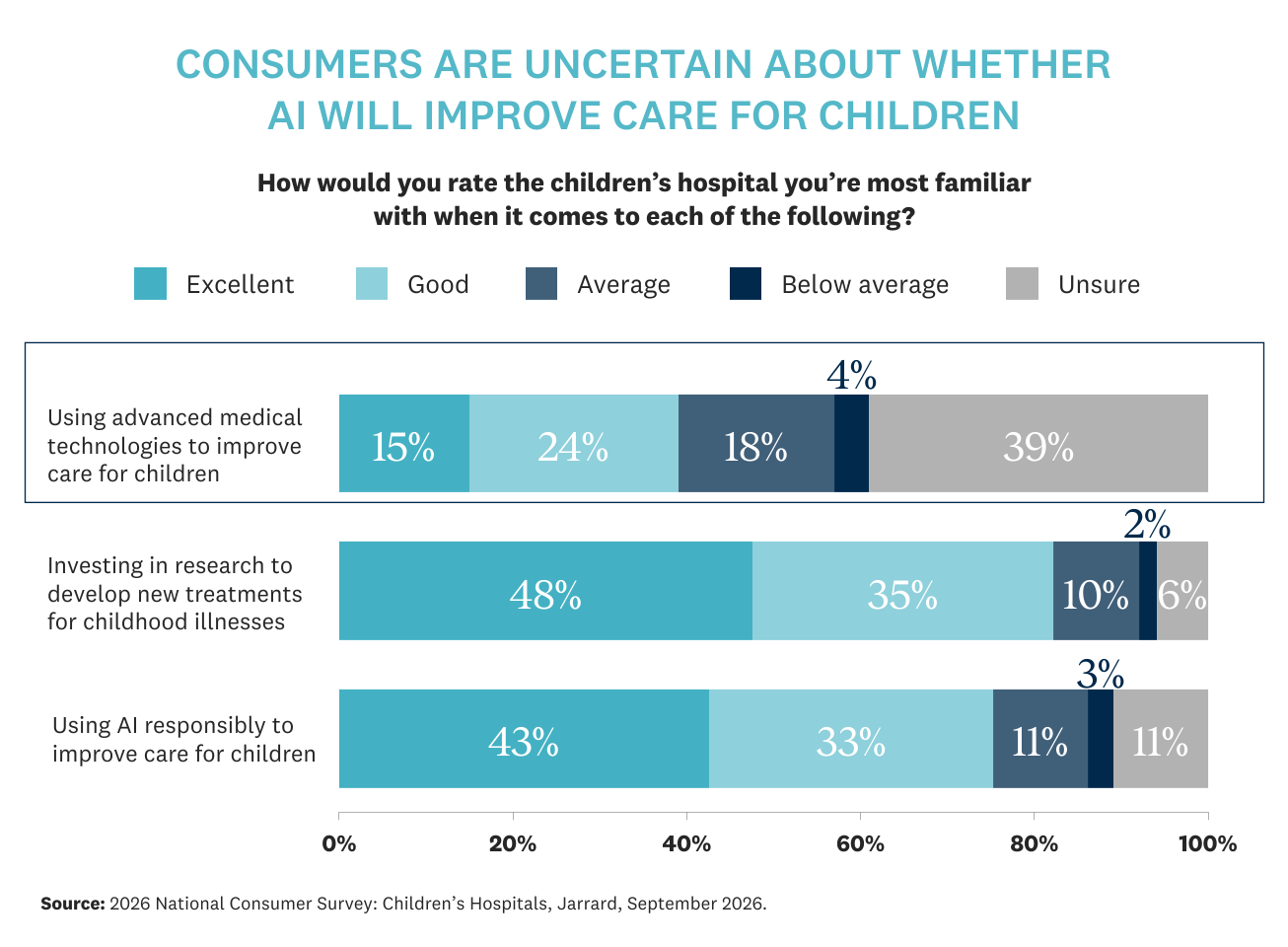
Survey findings show that many members of the public remain uncertain about whether AI will improve care for children, underscoring the need for proactive education and communication about how these tools are being used and where they can improve access to expertise and high-quality care.16
Parents and caregivers who have used AI for questions and information related to pediatric health report greater trust in the technology’s benefits, suggesting that familiarity and experience may help build confidence over time.
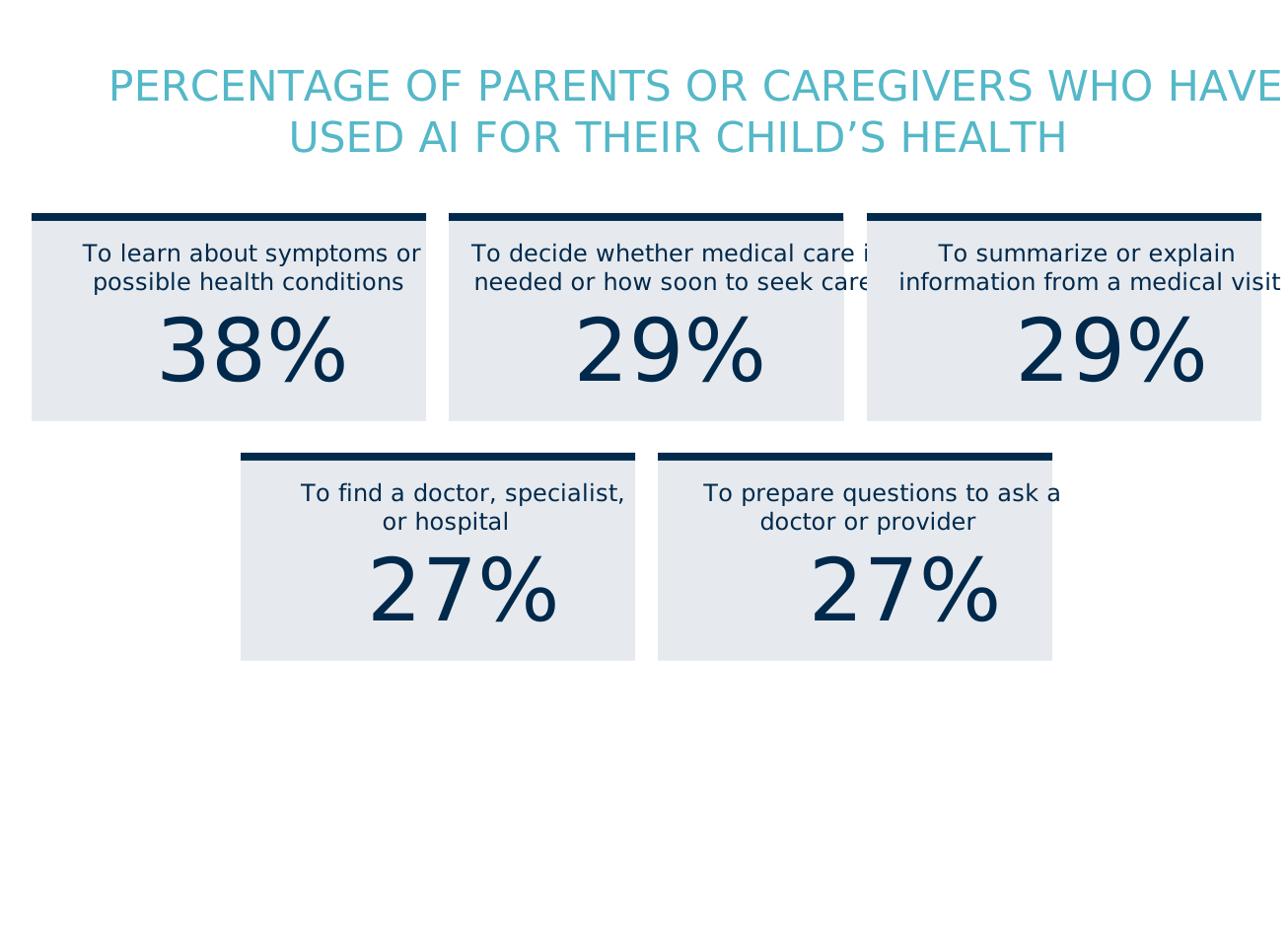
Children’s hospitals should take a leading role in how AI and advanced technology are applied to child health. As trusted centers of pediatric expertise, research, and innovation, they can help define appropriate expectations and safeguards—and ensure that new care models are designed around the distinct needs of children and families.
Not every children’s hospital will play the same role
The right strategic position will be unique to each institution and market, but each children’s hospital should be evaluating where it is best positioned to lead across three imperatives:
- Build an integrated pediatric care platform that orchestrates care across settings and time
- Lead the next generation of pediatric discovery and innovation
- Mobilize a broader child health ecosystem around the unmet needs reshaping children’s health


Additional contributors: Abigail Arnold, Associate Vice President of Research; Tricia Geraghty, Senior Vice President, Strategic Positioning Service Line Lead at Jarrard; Anneliese Gerland, Partner and Senior Vice President of Strategy; Cindy Lee, Managing Partner and Chief Strategy Officer; and Emily Nevarez, Research Manager.
Related insights